
Étiquette : architecture
-
Les temps de l’architecture et les temps de l’homme. 3 – Squatteurs et planificateurs
Les modèles temporels explorés dans les deux billets précédents nous permettent d’individuer deux modalités de fonctionnement, celle du squatteur et celle du planificateur. Le squatteur: Saisit les opportunités que lui se présentent devant. Sait que une opportunité que se présente aujourd’hui ne sera pas forcement présente demain. Prend des décisions rapidement, parfois même du jour…
-

Les temps de l’architecture et les temps de l’homme. 2 – L’homme.
Dans le billet précédent, nous avons vu quels sont les temps de l’architecture: des centaines d’années pour une cathédrale, 10-20 ans pour un métro, 5-10 ans pour un projet résidentiel en ville, 1-2 ans pour une villa à la campagne. Voyons maintenant les temps de l’homme. En numérologie, la vie suit des cycles de 7…
-
Les temps de l’architecture et les temps de l’homme. 1 – L’architecture.
Depuis quelques temps je me retrouve devant la question du temps. J’ai ouvert ce blog en 2008, comme étudiant fraichement sorti de l’université, et 6 ans plus tard je suis toujours là, dans une autre ville et dans une autre phase de la vie. Je lance donc une série de billets sur le thème du…
-

Construction d’une villa Minergie P-ECO à Romont (Fribourg).
Il y a quelques mois, j’avais préparé le dossier d’enquête pour une villa MINERGIE P-ECO à Romont. Le permis de construire est arrivé, et les travaux peuvent enfin commencer! MINERGIE P-ECO est le standard de référence pour les constructions écologiques: La consommation d’énergie est réduite au minimum: le besoin en chauffage est assuré par un…
-

Trois outils d’évaluation pour votre bâtiment (plus un quatrième que j’aimerais voir chez nous)
Dans la réalisation d’un bâtiment, il faut tenir compte de plusieurs facteurs: localisation, performance énergétique, efficacité dans la gestion des espaces… la liste des éléments à prendre en compte est longue, et on risque souvent d’en oublier quelques-uns. Pour aider les architectes et les maîtres d’ouvrages dans la réalisation d’un projet, il existe néanmoins toute…
-

Quelle maison pour les familles non conventionnelles?
Les familles sont en train de changer. Divorces, nouveaux partenaires, couples homosexuelles ou polyamoureuses, enfants nés de différents mariages, tous ça a crée une palette de situations différentes, chacune avec ses besoins et ses exigences. Face à cette diversification des modèles familiaux, quelle a été la réponse du marché immobilier? Pour l’instant, aucune: jusqu’à présent,…
-

Écovillages: quelques idées
Après quelques mois d’absence, me voici à nouveau, avec un nouveau thème auquel je m’intéresse depuis quelques mois: les écovillages. Qu’est-ce qu’est un écovillage? Un écovillage est une communauté intentionnelle, dans laquelle les membres peuvent expérimenter des formes de vie, d’économie et de société différentes de celles présentes dans la ville. On peut ainsi: découvrir…
-

Les Écoquartiers de Grenoble et de Lausanne en vidéo
Pour tous ceux que veulent voir un écoquartier en vrai, voici un reportage sur l’écoquartier de Bonne à Grenoble, avec quelques interviews sur le site du futur écoquartier lausannois: (source: association écoquartier) Sinon, beaucoup de choses se préparent dans cette période: si vous en voulez voir les projets que se mettent en place, je vous…
-

Guédelon: construire un château comme au 13ème siècle.
L’architecture traditionnelle m’a toujours fasciné. Les gros murs en pierre, les charpentes élaborées et les plans irréguliers des immeubles anciens ont toujours eu des histoires à raconter. Des histoires de familles qui s’élargissaient, d’alliances que se tissaient ou se rompaient, d’un propriétaire qui aurait voulu vivre dans une autre époque et qui transformait sa maison…
-

Basel, Gundeldinger Feld
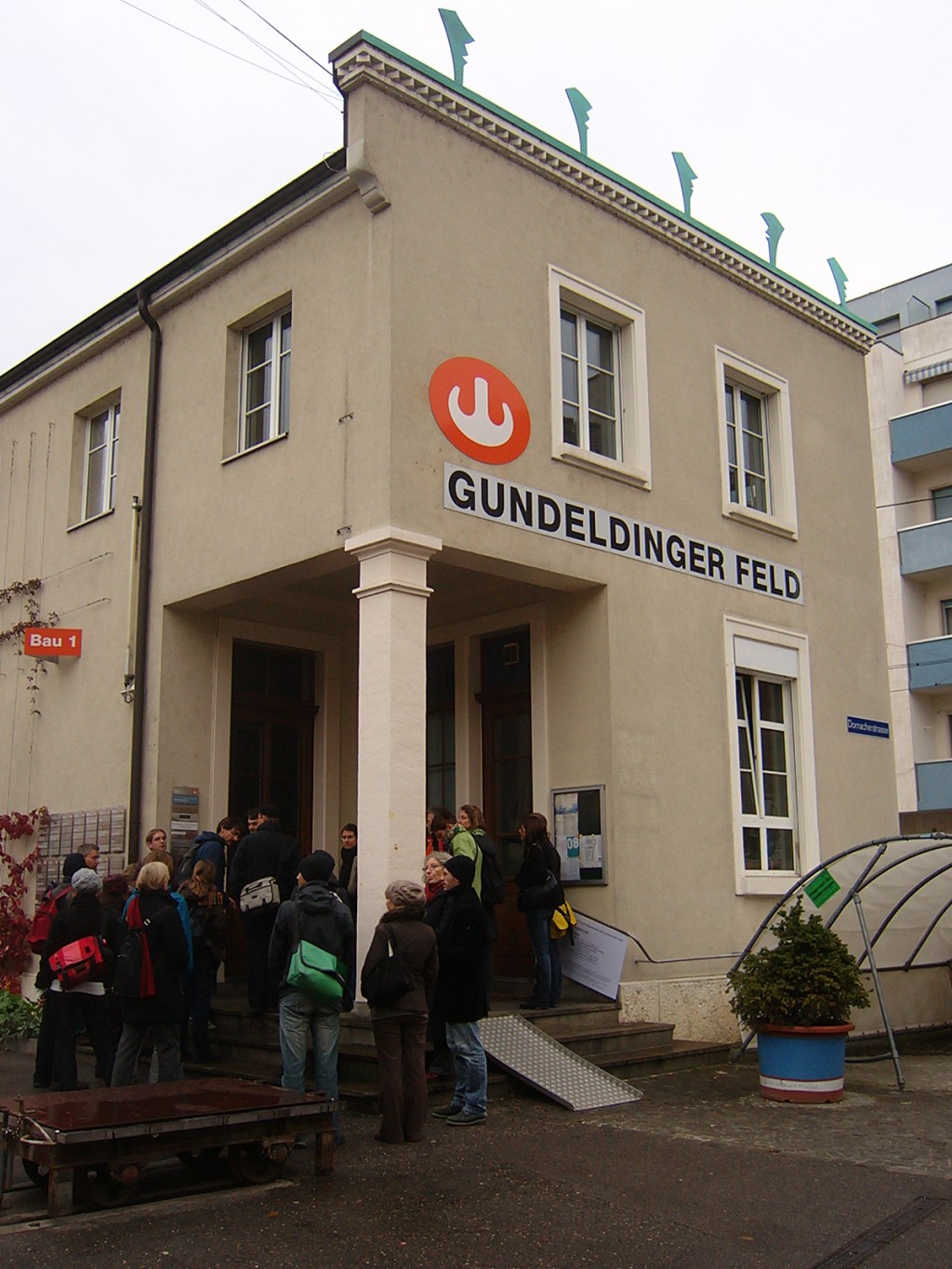
Today, I’ll take you to Basel, at Dornacherstrasse 192,where an old factory has been transformed into a neighborhood center, Gundeldinger Feld. The history of this place could be the same as many other places around the world: a 19th century factory in the inner city suddenly moving to the suburbs in order to look for…
-
Voyage à Bâle: 3 – Gundeldinger Feld
Après notre tour de la banlieue Sud de Bâle, revenons vers le centre ville, et précisément au 192 de la Dornacherstrasse, où une vieille usine désaffectée est devenue un centre de quartier regroupant les activités les plus diverses, le Gundeldinger Feld. L’histoire du lieu aurait pu être la même de beaucoup d’autres cas similaires: une…
-

Voyage à Bâle: 2- Job Factory
Juste à côté du bâtiment dont je vous ai parlé dans le billet précédant, on trouve un autre concept fort intéressant: Job Factory, un centre commercial entièrement géré par des jeunes chômeurs. (image: jobfactory.ch) On peux y trouver beaucoup de commerces différentes, notamment: un café et un restaurant, des boutiques de mode, un coiffeur, une…
-
Voyage à Bâle: 1- le « Matelas »
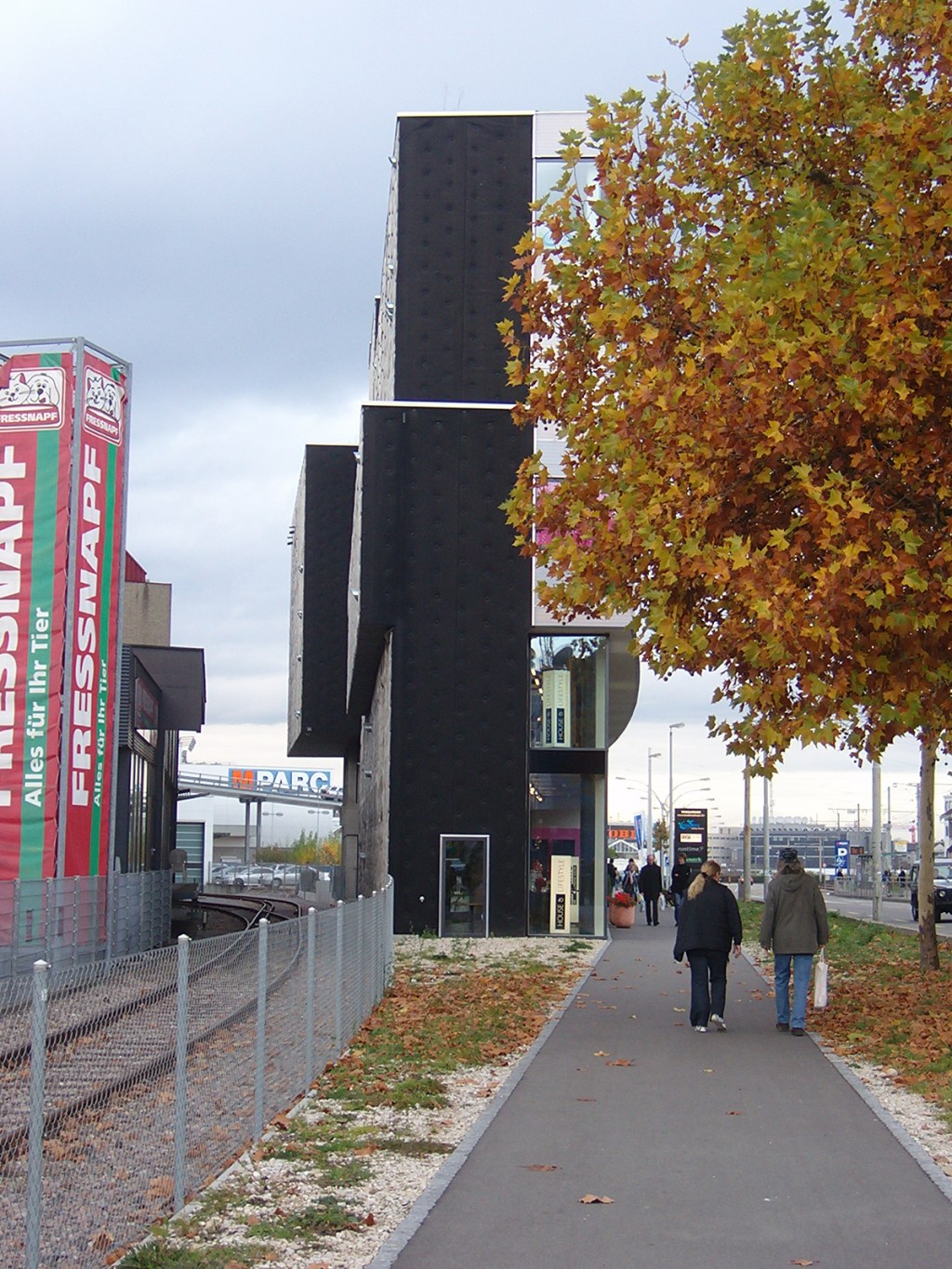
Le temps de quelques billet, je vous invite à la découverte de Bâle, une ville où les projets intéressants ne manquent pas. Notre tour de la ville commence dans la banlieue Sud, avec ce bâtiment commercial: Enserré entre la route et les voies de chemin de fer, ce bâtiment est si étroit que on aurait…
-

« Sur les moulins » à Denges: transit-oriented ou pas?
Il y a quelque semaine, j’ai découvert le quartier « sur les Moulins » (plus de détails là et là) à Denges, entre Lausanne et Morges. Par rapport à la moyenne des nouvelles réalisations dans le canton, ce projet semble aller vers un développement de type « transit oriented », même s’il y a plusieurs aspects qui me laissent…
-

Mixed-use suburbs
Some days ago, at the conference « desperate houses » at the EPFL, I heard about a research, realized by the architectural firm Raumbureau, saying that, in the suburbs, around 1 over 5 houses is refurbished as office space. If this tendence goes on: Little by little, suburbs will become true villages with offices, shops, post offices,…
-
La mixité arrive dans les zones villas
Aujourd’hui, dans la conférence « desperate houses » à l’EPFL, je suis venu à connaissance d’un étude, mené par le bureau Raumbureau, qui dit que, dans les zones villas, en moyenne 1 maison sur 5 est reconvertie en espace bureau. Donc, si cette tendance se confirme: Peu a peu, les zones villas pourront devenir des véritables villages,…
-

3 ideas to retrofit suburbia
(photo: flickr) This month, everybody talks about suburbs (and about the prominent feature of suburbs, cars): some posts on RSR website (here, here and here), the last edition of the forum Ecoparc: So, it’s the right moment to talk about this subject, and to propose a strategy to align autorities and developers’ interests. 1 –…
-
stratégie en 3 étapes pour requalifier les zones villas
(photo: flickr) Ce mois, la zone villa (et son complément, la voiture) est à l’ordre du jour: des émissions sur le site de la RSR (Voir par exemple là, là et là), un forum de l’association Ecoparc (j’en avais déjà parle là): donc, c’est la bonne occasion pour réfléchir sur le sujet et proposer une…
-
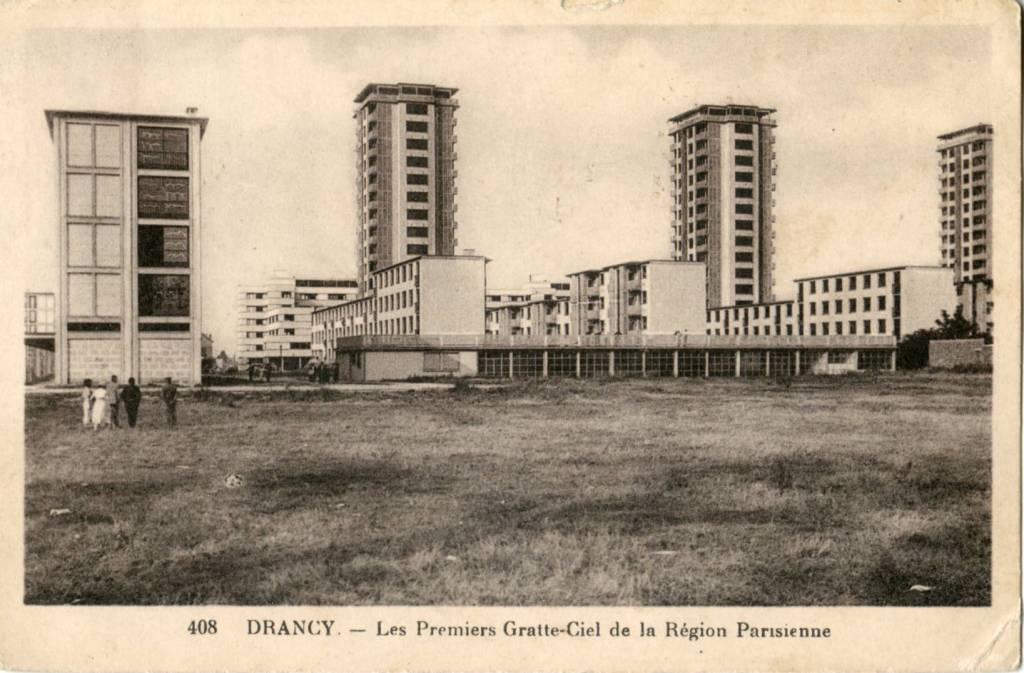
Ada Lovelace Day: Jane Jacobs
Today is Ada Lovelace day, a day in which each blogger should talk about a woman who changed the world in her field: a good occasion to talk about the person who gave the biggest contribute to contemporary urbanism, Jane Jacobs. XIX and early XX century were the century of machines, a century in which…
-
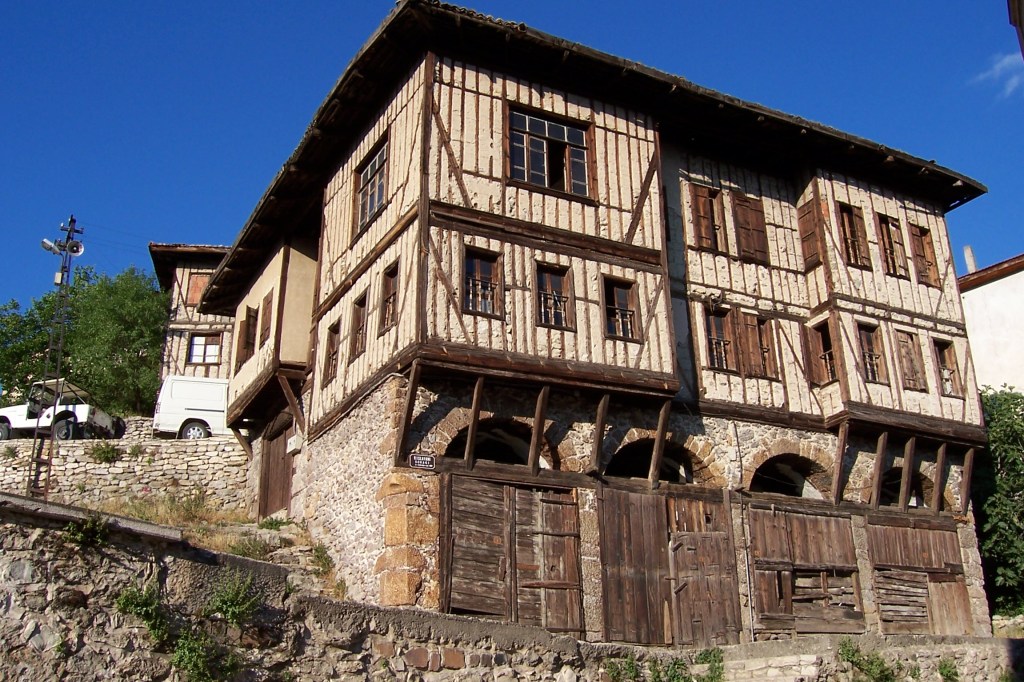
Construction traditionnelle: toujours d’actualité?
Je viens de terminer la lecture d’une série de livres sur la rénovation du bâtiment, notamment « Manuale del Recupero del Comune di Roma » et « Materia e Significato » de Paolo Marconi. J’ai suivi plusieurs cours avec M. Marconi et les professeurs de son département et leur approche, axé sur la redécouverte des techniques traditionnelles de construction,…
-

Refurbishing modernist masterpieces: two examples from Rome
The city within a building – Mario Fiorentino In the last 50 years, we built a massive amount of buildings, experimenting techniques and philosophies as never before. Reinforced concrete, cheap energy and cars allowed us a freedom to build we’ve never experienced before. Now, most of these ideas and techniques look outdated, and the building themselves are…
-
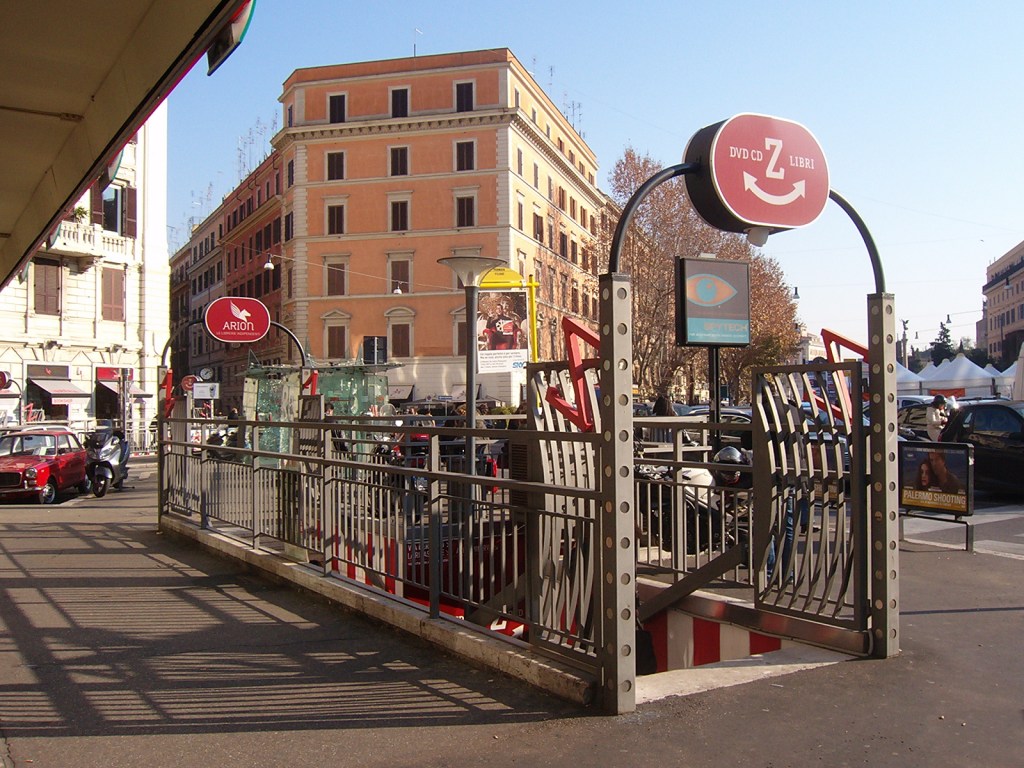
Réqualification des infrastructures automobiles: la Librairie Arion à Rome
Dans les dernières 50 années nous avons construit beaucoup d’infrastructures. Échangeurs routiers, passages souterrains, autoroutes urbaines…toutes infrastructures que maintenant commencent à n’être plus à la mode, et que nécessitent un nouvel usage. Et donc, voici un exemple: un passage souterrain, creusé dans les années 60 dans la Piazza Fiume à Rome. Le temps ont changé,…
-

The rise and fall of the « Unité d’Habitation » – 7/7
50 years after the first Unité, this model seems already belonging to the past. The strong separation between the building and its surroundings, the sensation of living in an all-artificial environment, and an almost complete identification of the Unité d’Habitation with social housing have made this model quite undesirable. The destiny of the millions of…
-

The rise and fall of the « Unité d’Habitation » – 6/7
Promoted as a standard, easy-to-build product, The Unité d’Habitation concept spread all over the world after WWII. The first 5 units (Marseille, Firminy, Rezé, Briey and Berlin) built by Le Corbusier himself became the standard for almost all public housing project between 1950 and 1990. The more the model was spread along the world, the…
-

The rise and fall of the « Unité d’Habitation » – 5/7
Promoted as a standard, easy-to-build product, The Unité d’Habitation concept spread all over the world after WWII. The first 5 units (Marseille, Firminy, Rezé, Briey and Berlin) built by Le Corbusier himself became the standard for almost all public housing project between 1950 and 1990. The more the model was spread along the world, the…
-

The rise and fall of the « Unité d’Habitation » – 4/7
Promoted as a standard, easy-to-build product, The Unité d’Habitation concept spread all over the world after WWII. The first 5 units (Marseille, Firminy, Rezé, Briey and Berlin) built by Le Corbusier himself became the standard for almost all public housing project between 1950 and 1990. Rome, Corviale, 1972-1982 (image: flickr). Strict translation of the Unité…
-
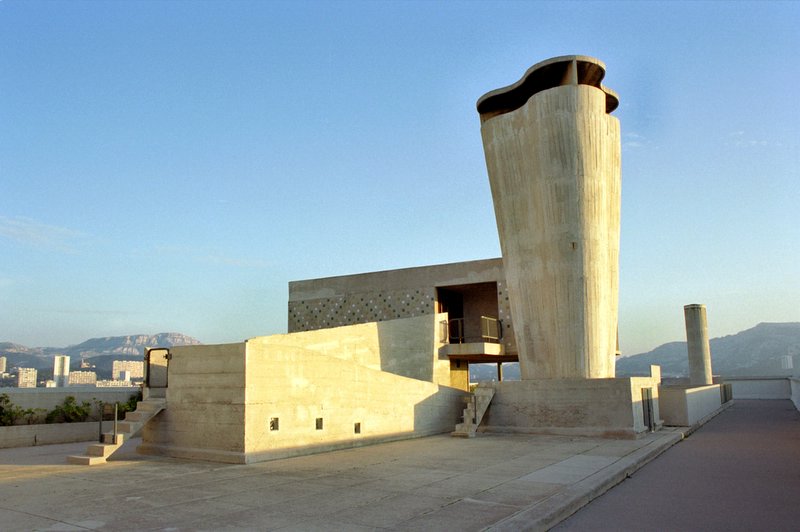
The rise and fall of the « Unité d’Habitation » – 3/7
In the beginning of the XX century, steamships were crossing the Atlantic Ocean. Each one of them could carry 2000 passengers for a 15-days trip between Europe and America, and in these days it became for them a sort of new house. The image of all these people living, loving, fighting, making business, all in…
-

The rise and fall of the « Unité d’Habitation » – 2/7
In the beginning of the XX century, steamships were crossing the Atlantic Ocean. Each one of them could carry 2000 passengers for a 15-days trip between Europe and America, and in these days it became for them a sort of new house. The image of all these people living, loving, fighting, making business, all in…
-

The rise and fall of the « Unité d’Habitation » – 1/7
SS Empress of britain, pre-1924 (image: wikimedia commons). In the beginning of the XX century, steamships were crossing the Atlantic Ocean. Each one of them could carry 2000 passengers for a 15-days trip between Europe and America, and in these days it became for them a second home. MS Kungsholm, entrance to 1st class room,…
-

Architecture et complexité
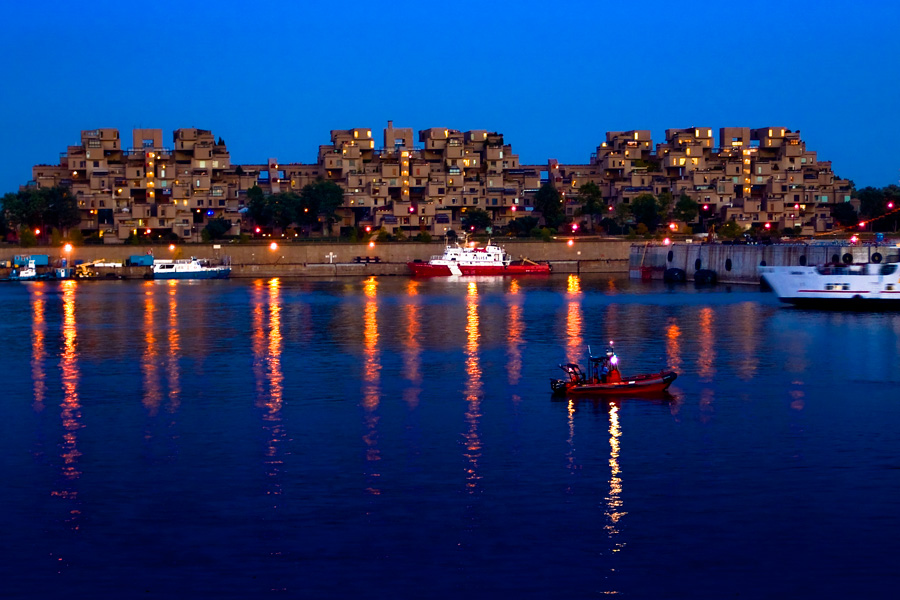
Un des facteurs qui contribuent à la création d’un espace urbain vivant et intéressant est la complexité. Face à des gros projets, les architectes essaient parfois de recréer une complexité dans leur bâtiments: cette approche nécessite un gros travail de conception et donne souvent des résultats pas tout à fait satisfaisants . Moshe Safdie, Habitat…
-
Architecture and complexity
One of the features of a great built environment is complexity. When facing big-scale projects, most of the architects have tried to recreate a complexity in their buildings, with a huge effort and not very satisfying results. Moshe Safdie, Habitat 67 (image: wikipedia) Frank Gehry, MIT Stata Center (image: wikipedia) Another option allows a better result…
-
Tysons Corner construit son centre-ville
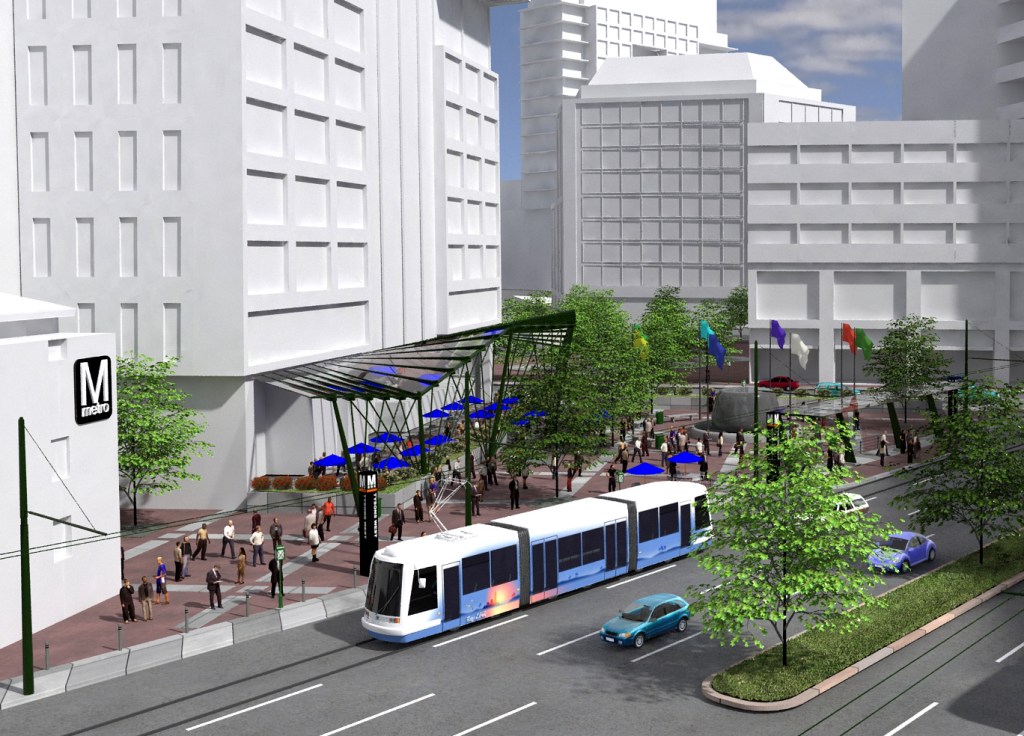
« From ancient times, what made a city a city was how it functioned, not how it looked. And this is especially true today, for we have not built a single old-style downtown from raw dirt in seventy-five years. » (Depuis l’antiquité, ce qui rendait « ville » la ville était son fonctionnement, pas sa forme. Et ça est…
-

La Sagrada Famìlia à Barcelone: la dernière grande Cathédrale
La période du 13ème au 19ème siècle, dans plusieurs villes d’Europe, fuit marquée par la construction des grandes Cathédrales. Des chantiers s’ouvrirent, pour s’achever seulement après plusieurs décennies, voire des siècles. Un des derniers chantiers, et le seul encore ouvert, est celui de la Sagrada Famìlia de Barcelone. Commencé en 1882, la Sagrada Famìlia devrait…
-
integrer un parking souterrain dans un tissu urbain compacte
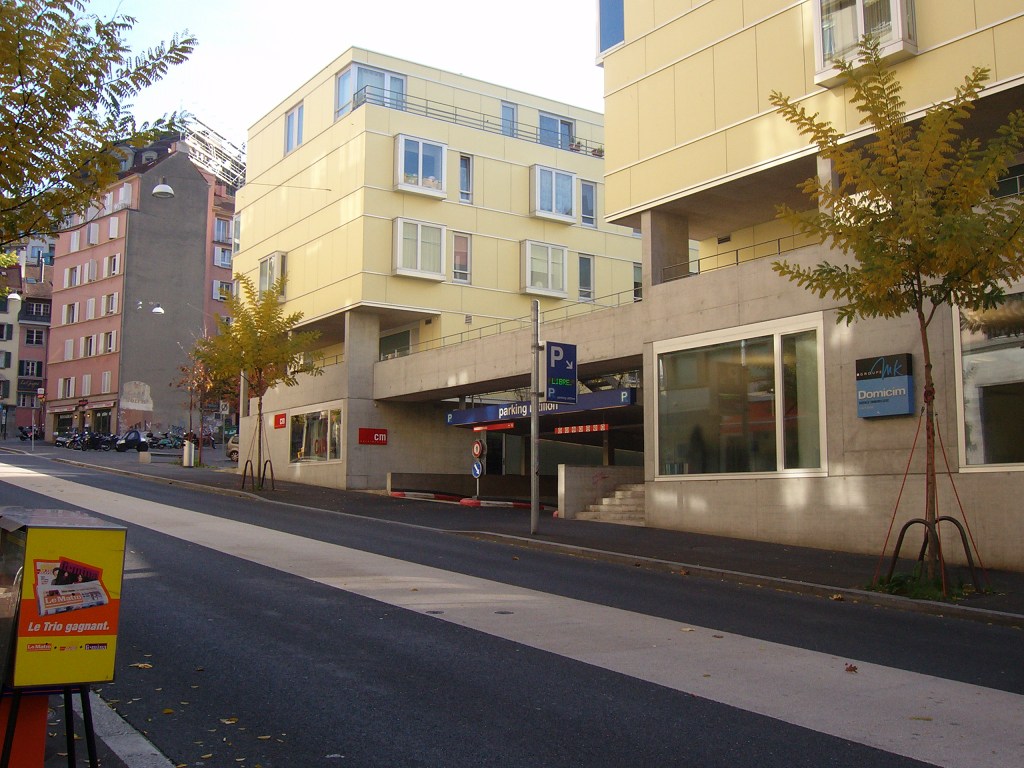
Voici un exemple de parking souterrain intégré dans un tissu urbain dense: le parking du Rotillon à Lausanne. Sa rampe s’intègre avec le bâtiment et ne coupe pas la continuité des trottoirs et des commerces le long de la Rue Centrale.
-
Lausanne Metro, Line 2, how it used to be.
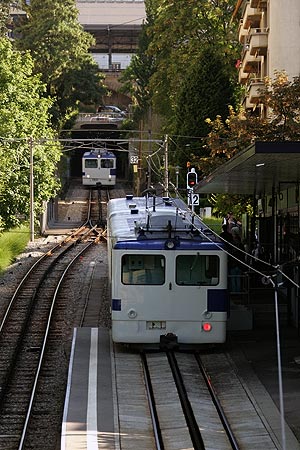
For all who wonder how the ancient Lausanne Metro line 2 looked like, here it is: [youtube=http://it.youtube.com/watch?v=h1ST9WLgsoQ
-
Lausanne metro line 2: finally open!
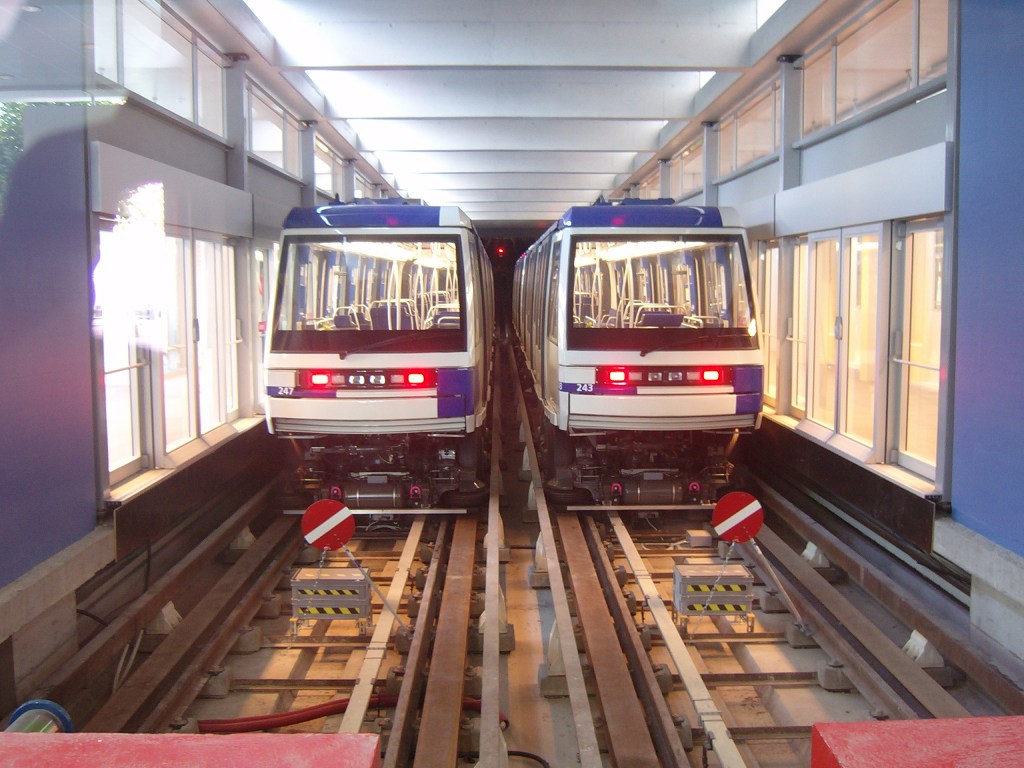
This morning, Lausanne Metro line 2 has finally open to the public. In order to celebrate the event, here are some photos of the line: Lausanne-Flon: signs pointing to the platforms Lausanne-Flon: All the lines stopping in Lausanne-Flon are marked with the same fonts, even though they belong to different companies. Lausanne-Flon. Lausanne Metro’s colors scheme: Blue…
-
les villages urbains
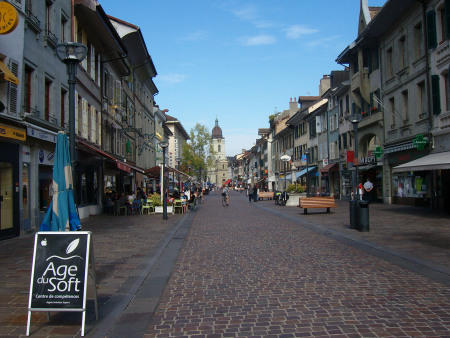
(photo: Morges, Grand’Rue) Parfois, les villes réservent des bonnes surprises: des centres historiques à l’intérieur des agglomérations, des espaces où la vie tourne à un rythme différent. Dans les agglomérations suisses, construites à partir d’un réseau de villes et villages, ce type de découverte est relativement fréquent , mais dans les grandes métropoles comme Rome,…
-

Paris RER E vs. Rome Metro B: same spaces, different comfort
According to different surveys, Rome Metro is considered one of the most uninviting networks in Europe: dark, dirty, difficult to navigate… One of the worst stations is Termini: after 50 years of countless renewals and extensions, we have now a patchwork of different architecture and signage, in which people get confused and feel uncomfortable. In an attempt to change…
-

Crowdsourcing the eco-district of Lausanne Blécherette: consumption
On september 10, another crowdsourcing session has taken place in Lausanne. This time, the theme was « consuming »: shops, energy, water, wastes. Here is a list of the wishes that came out during the session: – Small independent shops rather than big chain suburban supermarkets (Most of people had few hopes that this would have been…
-
Clubhouse living – Architecture of Togetherness
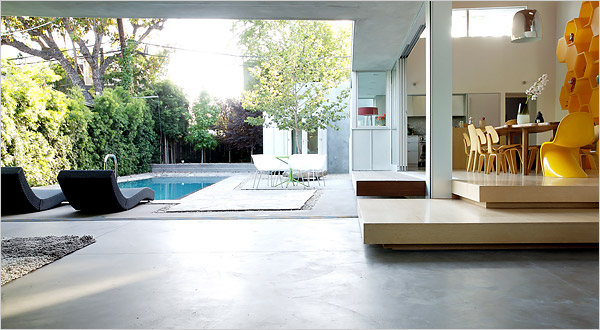
In the last days I was wondering how houses and cities would look in a « social network society ». Today I found an answer in this post from Creative Class and this article from New york Times. They talk about a house built by Clive Wilkinson, the architect of Google headquarters. While in the « Magic Highway »…
-

Flexible housing
Your kids are getting older and want a home of their own? You are starting a new business and need some space to work and receive clients, but cannot afford to rent a proper office? You like flatsharing but still want your privacy? Flexible housing can be the solution! Here are some examples (from Cool Town…
-

How to protect a building against the noise: Lausanne Guesthouse
Another good exemple of protection of a building from noisy infrastructures is given by the Lausanne Guesthouse, designed by Patrick Chiché. In this building, all the services (stairways and bathrooms) are located along the railway tracks, while living rooms and hotel rooms are all on the opposite side. A resumé of the project is available…
-
How to protect a building against the noise: Croisset Student House in Paris
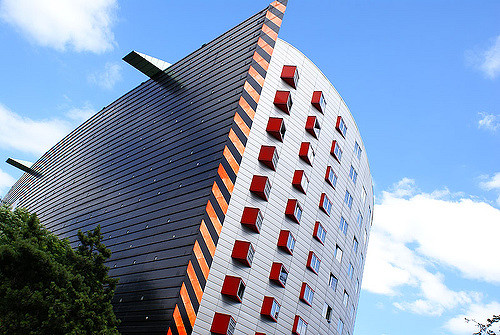
The Croisset Student House is a good example of how to protect a building from the noise of a motorway and give at the same time a public image to the building. The complex is made of 3 residential blocks, oriented perpendicularly to the motorway, and a continuous screen which runs between the blocks and…
-
How to create a private space without using fences
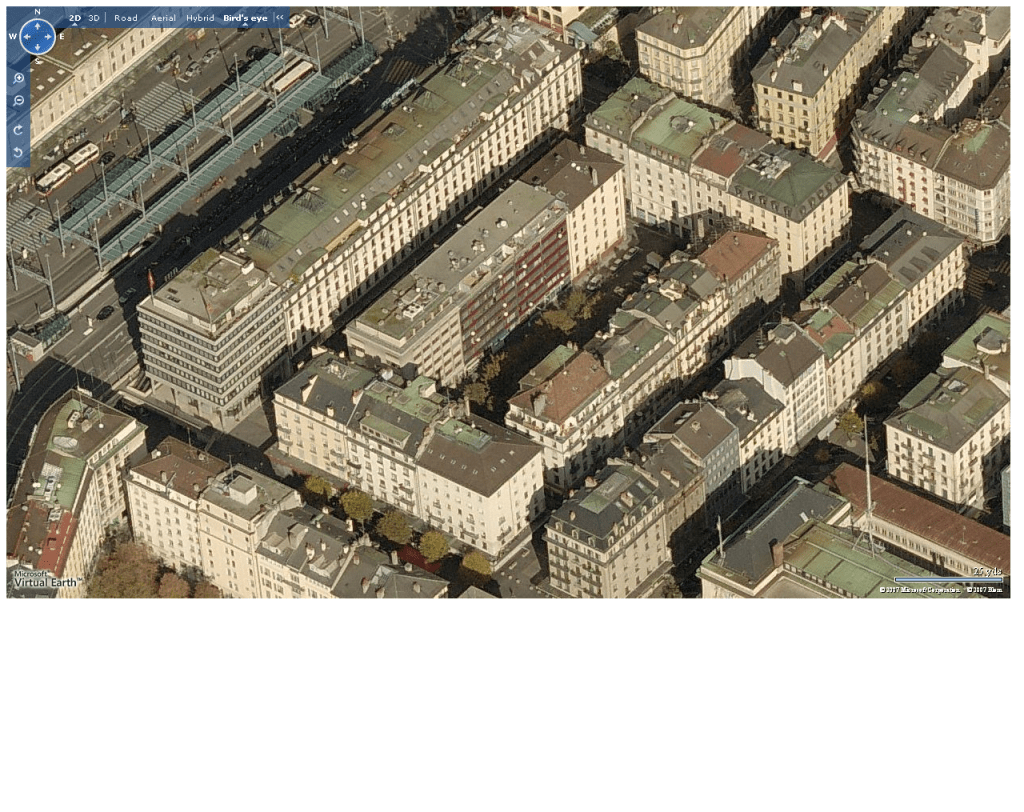
This image (Geneva, square Pradier, via Microsoft Virtual Earth) shows how to create a calm square and give privacy to a block without using fences. The four external buildings act as a screen and separate the square from the through traffic of the surrounding roads. Access to the backside of the external buildings is…
-

Lausanne metro: new ticket office opens
The opening of Lausanne metro line 2 gets closer and closer, and the first buildings related to the new line are already opening. On August 4, the new ticket office (designed by Merlini & Ventura architects) opened in the station Flon, where a connection with the existing M1 and LEB lines will be provided. The…
-

Rome: une ligne de tramway ouverte il y a deux ans ferme à nouveau
Le 7 juillet 2008, la partie la plus externe de la ligne de tram Roma-Pantano, entre les arrêts Giardinetti et Pantano, fermera a nouveau, à peine deux ans après son inauguration. Cette ligne est la seule survivante d’un vaste réseau qui couvrait toute la partie Est du Latium, notamment les villes de Frascati, Palestrian, Fiuggi, Alatri…
-
Rome: Recently opened light rail extension closes again
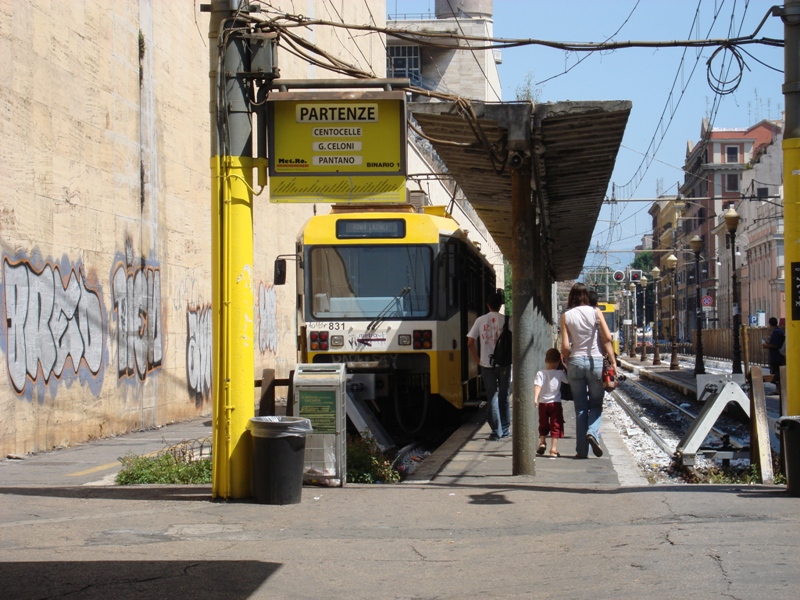
On july 7, 2008, the recently-reopened section of the Roma-Pantano light rail will close again between the stations Giardinetti and Pantano after only two years of operation. Once part of an extensive network covering all the eastern part of Lazio (including the towns of Frascati, Palestrina, Fiuggi, Alatri and Frosinone), Roma-Pantano light rail had heavily suffered…
-

Roma: una linea tramviaria appena aperta chiude di nuovo.
Il 7 luglio 2008, la parte più esterna della linea tramviaria « Roma-Pantano », chiuderà di nuovo tra le fermate Giardinetti e Pantano, due anni dopo la sua inaugurazione. Questa linea è l’unica rimasta di una rete molto estesa, che copriva tutta la parte Est del Lazio, tra cui le città di Frascati, Palestrina, Fiuggi, Alatri et Frosinone). Una…
 La Ville Nouvelle, Atelier d'Architectes