
Étiquette : English
-
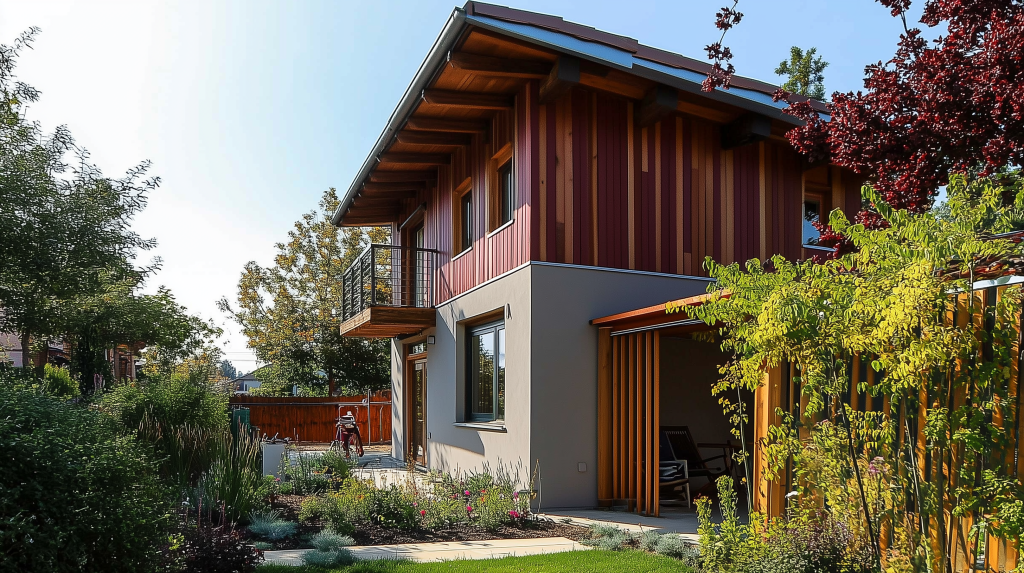
Our offers for Different Types of Construction Projects in Switzerland
For your construction projects in switzerland, here is a summary of our different offers, covering services from the preliminary design phase up to the building permit application. The offer includes: Architectural services for the following phases according to SIA Standard 102: The offer does not include: Additional services In addition to handling the building permit…
-

Where did Ancient Romans park their horse?
I’ve lived in Rome for almost 20 years. My school was in front of the Colosseum, my first job in front of St. Peter’s Basilica, and my house was built on the exact spot where the emperor Nero died. So, you can say I know the city quite a lot. And today I received this…
-
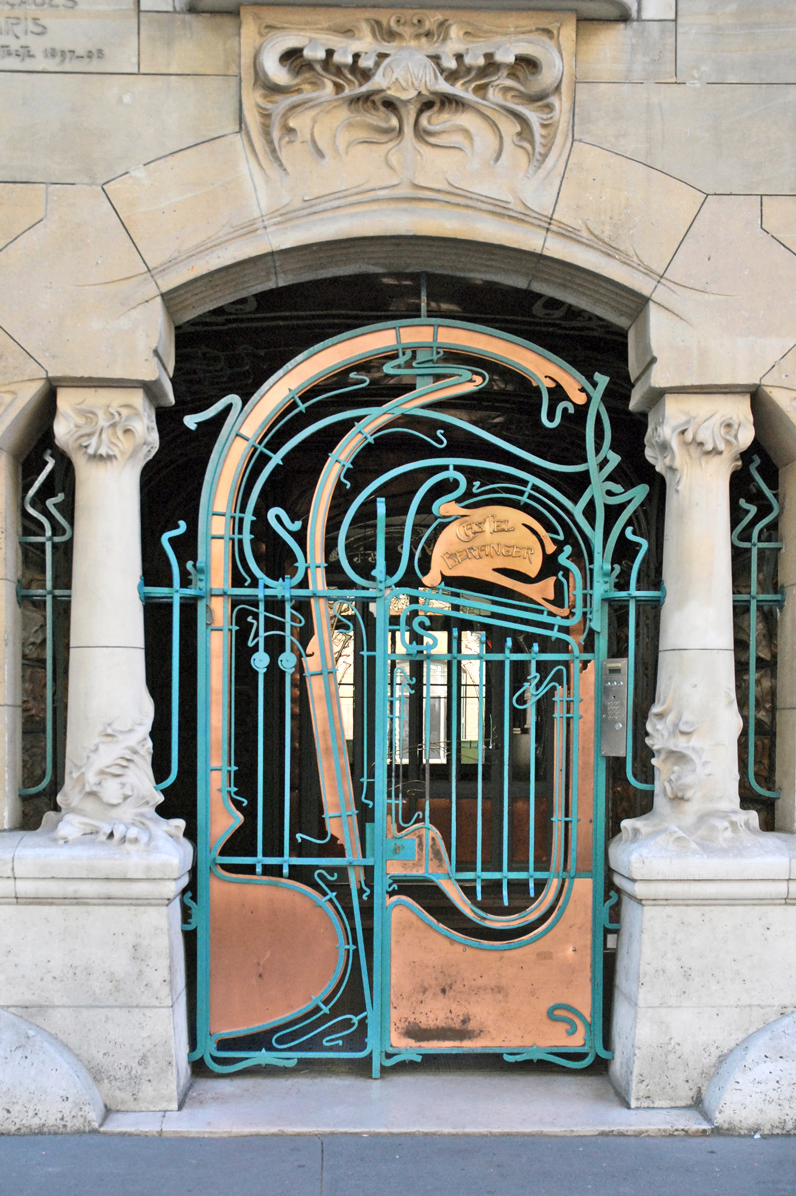
Manifesto for a left-wing classicism.
In 2020, the Trump administration released the « Make Federal Buildings Beautiful Again » decree where it imposes a classicist style for all new public buildings in the United States. In Italy, Right-wing governments tried a similar approach a few years ago, with a proposal to tear down some tower blocks of the 1970s and 1980s and…
-
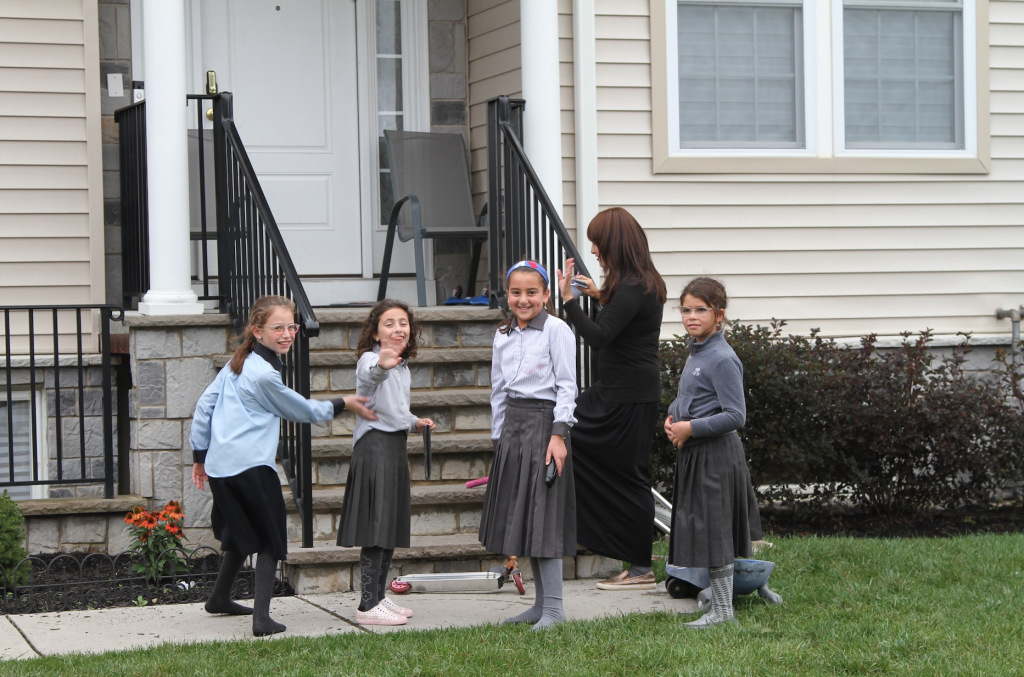
The Sacred Cul-de-Sac: Lakewood
Je reprends ici une entrée de l’excellent blog Granola Shotgun, qui montre una manière intéressante de révitaliser un village. In 1901 John D. Rockefeller of Standard Oil (now ExxonMobil) began purchasing hundreds of acres of land around the town of Lakewood, New Jersey an hour and a half south of New York. He then built a thirty…
-

How to run good transit in the suburbs.
I am often been told that you cannot have transit in the suburbs, and that, in order to have an efficient transit network, you need a dense urban core. Let’s see how you can create a good transit network for a suburban area. 1) Consistent services. First, let’s clarify a point: Transit in the suburbs…
-

Ban cars and build traditional (English version)
I just discovered Oskar Stålberg‘s excellent blog, with lots of imaginary cities, drawn from common objects. A particularly interesting article on his blog is the game « Brick Block » where you can build a piece of town with two mouse strokes (left button to add a block, right button to break a block) What is interesting…
-
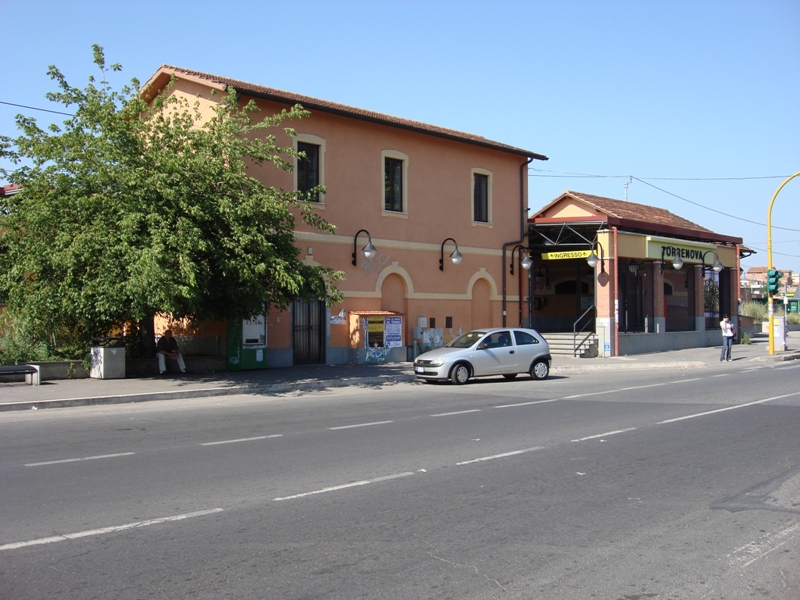
Casilina Express, le film complet.
Depuis quelques jours, je mets de l’ordre dans le site: je relis les vieux articles, je corrige quelques fautes d’orthographe par ici et par là, je mets à jours les liens… Et de temps à autre, je redécouvre quelques petits trésors, comme le film « Casilina Express« , dont j’avais déjà parlé en 2008. Entre temps, le film…
-

Parking, repurposed
On Reinventing Parking, a post wonders about the possibility of turning parking spaces into something else. A good case study is Rome: here, zoning laws and parking requirements are rarely enforced and so, as soon as the land values rise, parking spaces turn into something more profitable. Here are a few examples: a gym a…
-

Urban Beaches
Summer approaches, time to pack our stuff, fill our car and leave for a long long trip, that wil take us, after several hours, to a nice beach very far away… Or maybe not. Why do we have to travel so much to find a place that makes us feel good? There is another solution,…
-

Basel, Gundeldinger Feld
Today, I’ll take you to Basel, at Dornacherstrasse 192,where an old factory has been transformed into a neighborhood center, Gundeldinger Feld. The history of this place could be the same as many other places around the world: a 19th century factory in the inner city suddenly moving to the suburbs in order to look for…
-
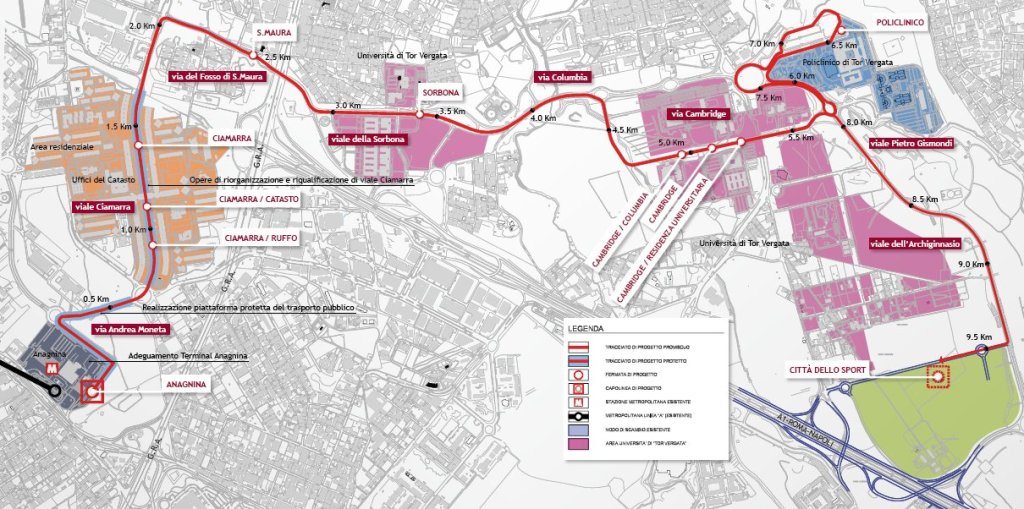
BRT under construction in Rome
Wandering around the web, I discovered today a good news from Rome: A brand new BRT opening in the south-east of the city. The new infrastructure will start from ANAGNINA subway station and extend further east, passing through Cinecittà Est and Tor Vergata. All details of this infrastructure are here (PDF). (image: Roma Metropolitane)…
-

Mixed-use suburbs
Some days ago, at the conference « desperate houses » at the EPFL, I heard about a research, realized by the architectural firm Raumbureau, saying that, in the suburbs, around 1 over 5 houses is refurbished as office space. If this tendence goes on: Little by little, suburbs will become true villages with offices, shops, post offices,…
-
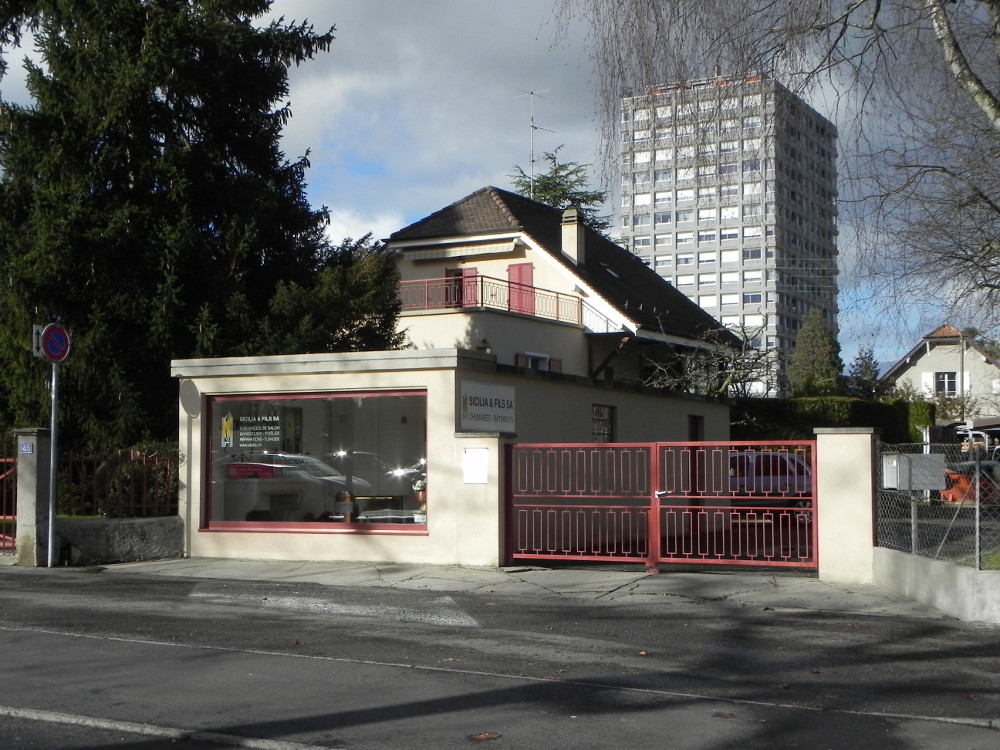
New Urbanism vs. Suburbanism
-

3 ideas to retrofit suburbia
(photo: flickr) This month, everybody talks about suburbs (and about the prominent feature of suburbs, cars): some posts on RSR website (here, here and here), the last edition of the forum Ecoparc: So, it’s the right moment to talk about this subject, and to propose a strategy to align autorities and developers’ interests. 1 –…
-
Ada Lovelace Day: Jane Jacobs
Today is Ada Lovelace day, a day in which each blogger should talk about a woman who changed the world in her field: a good occasion to talk about the person who gave the biggest contribute to contemporary urbanism, Jane Jacobs. XIX and early XX century were the century of machines, a century in which…
-

Refurbishing modernist masterpieces: two examples from Rome
The city within a building – Mario Fiorentino In the last 50 years, we built a massive amount of buildings, experimenting techniques and philosophies as never before. Reinforced concrete, cheap energy and cars allowed us a freedom to build we’ve never experienced before. Now, most of these ideas and techniques look outdated, and the building themselves are…
-

The rise and fall of the « Unité d’Habitation » – 7/7
50 years after the first Unité, this model seems already belonging to the past. The strong separation between the building and its surroundings, the sensation of living in an all-artificial environment, and an almost complete identification of the Unité d’Habitation with social housing have made this model quite undesirable. The destiny of the millions of…
-

The rise and fall of the « Unité d’Habitation » – 6/7
Promoted as a standard, easy-to-build product, The Unité d’Habitation concept spread all over the world after WWII. The first 5 units (Marseille, Firminy, Rezé, Briey and Berlin) built by Le Corbusier himself became the standard for almost all public housing project between 1950 and 1990. The more the model was spread along the world, the…
-

The rise and fall of the « Unité d’Habitation » – 5/7
Promoted as a standard, easy-to-build product, The Unité d’Habitation concept spread all over the world after WWII. The first 5 units (Marseille, Firminy, Rezé, Briey and Berlin) built by Le Corbusier himself became the standard for almost all public housing project between 1950 and 1990. The more the model was spread along the world, the…
-

The rise and fall of the « Unité d’Habitation » – 4/7
Promoted as a standard, easy-to-build product, The Unité d’Habitation concept spread all over the world after WWII. The first 5 units (Marseille, Firminy, Rezé, Briey and Berlin) built by Le Corbusier himself became the standard for almost all public housing project between 1950 and 1990. Rome, Corviale, 1972-1982 (image: flickr). Strict translation of the Unité…
-
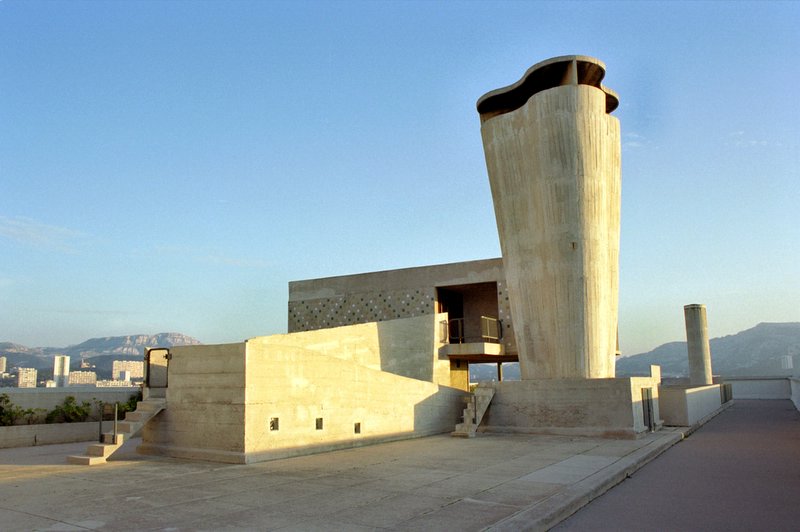
The rise and fall of the « Unité d’Habitation » – 3/7
In the beginning of the XX century, steamships were crossing the Atlantic Ocean. Each one of them could carry 2000 passengers for a 15-days trip between Europe and America, and in these days it became for them a sort of new house. The image of all these people living, loving, fighting, making business, all in…
-

The rise and fall of the « Unité d’Habitation » – 2/7
In the beginning of the XX century, steamships were crossing the Atlantic Ocean. Each one of them could carry 2000 passengers for a 15-days trip between Europe and America, and in these days it became for them a sort of new house. The image of all these people living, loving, fighting, making business, all in…
-

The rise and fall of the « Unité d’Habitation » – 1/7
SS Empress of britain, pre-1924 (image: wikimedia commons). In the beginning of the XX century, steamships were crossing the Atlantic Ocean. Each one of them could carry 2000 passengers for a 15-days trip between Europe and America, and in these days it became for them a second home. MS Kungsholm, entrance to 1st class room,…
-
Architecture and complexity
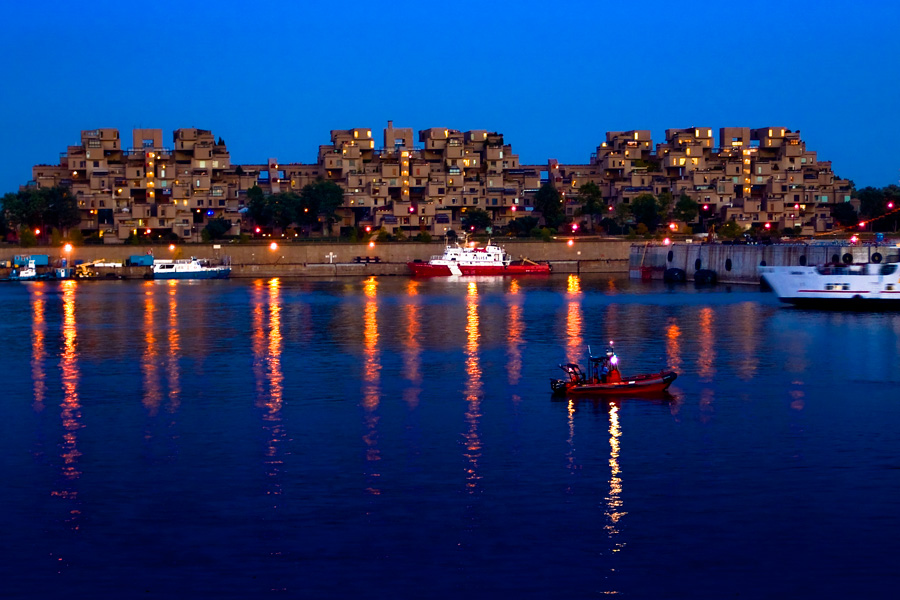
One of the features of a great built environment is complexity. When facing big-scale projects, most of the architects have tried to recreate a complexity in their buildings, with a huge effort and not very satisfying results. Moshe Safdie, Habitat 67 (image: wikipedia) Frank Gehry, MIT Stata Center (image: wikipedia) Another option allows a better result…
-

Bridge « Antonio Segni », Rome: what future for the automobile infrastructure?
A highway is a mono-functional road, designed to carry cars from one place to another at a maximum speed. But, sometimes highways don’t carry so many cars as expected, and other uses start to appear. An example of the re-use of highways was the Antonio Segni Bridge in Northern Rome, the east-west road in the photo…
-
Tysons Corner turns into a traditional downtown
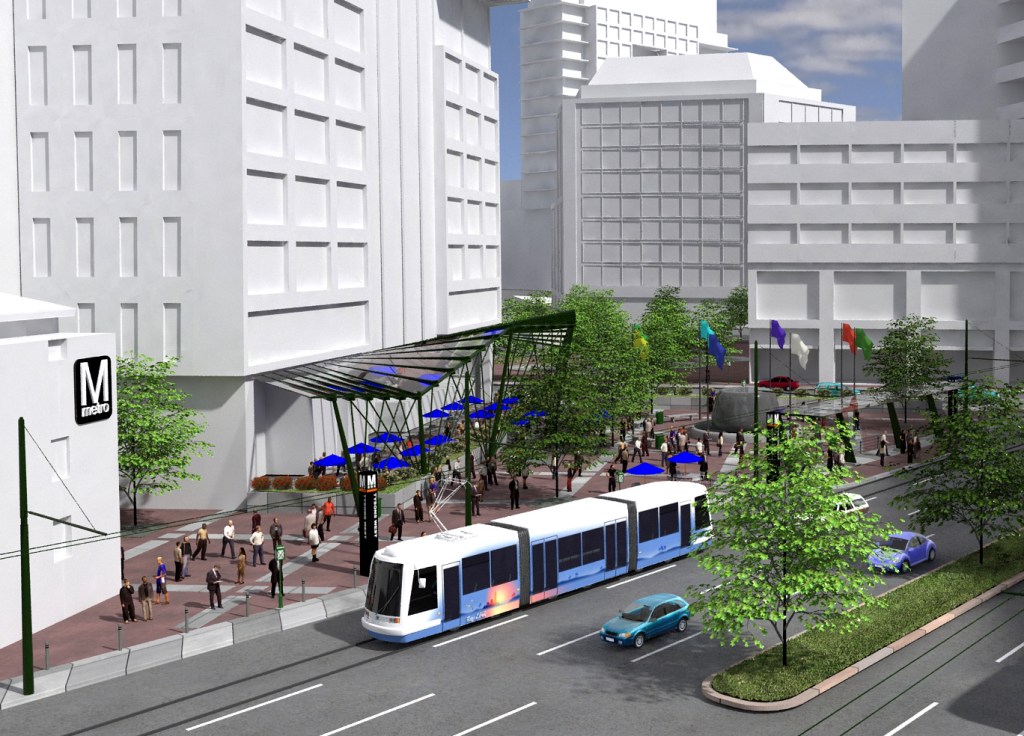
From ancient times, what made a city a city was how it functioned, not how it looked. And this is especially true today, for we have not built a single old-style downtown from raw dirt in seventy-five years. » (Joel Garreau, Edge City: Life on the New Frontier, Chapter 2) This is how Joel Garreau described…
-

New bus network in Lausanne
From Sunday december 14, the new bus network will be operational in Lausanne. The main changes will be: Lines 5,6 and 45 will be suppressed or re-routed in oder to avoid superopsitions with the metro, Lines 4,6 and 15 will be merged into the new lines 4 and 6, New line 21 will connect Blécherette…
-

Lagado and Balinbarbi
The continent, as far as it is subject to the monarch of the flying island, passes under the general name of BALNIBARBI; and the metropolis, as I said before, is called LAGADO. I felt some little satisfaction in finding myself on firm ground. I walked to the city without any concern, being clad like one…
-
New shopping area opens in downtown Lausanne
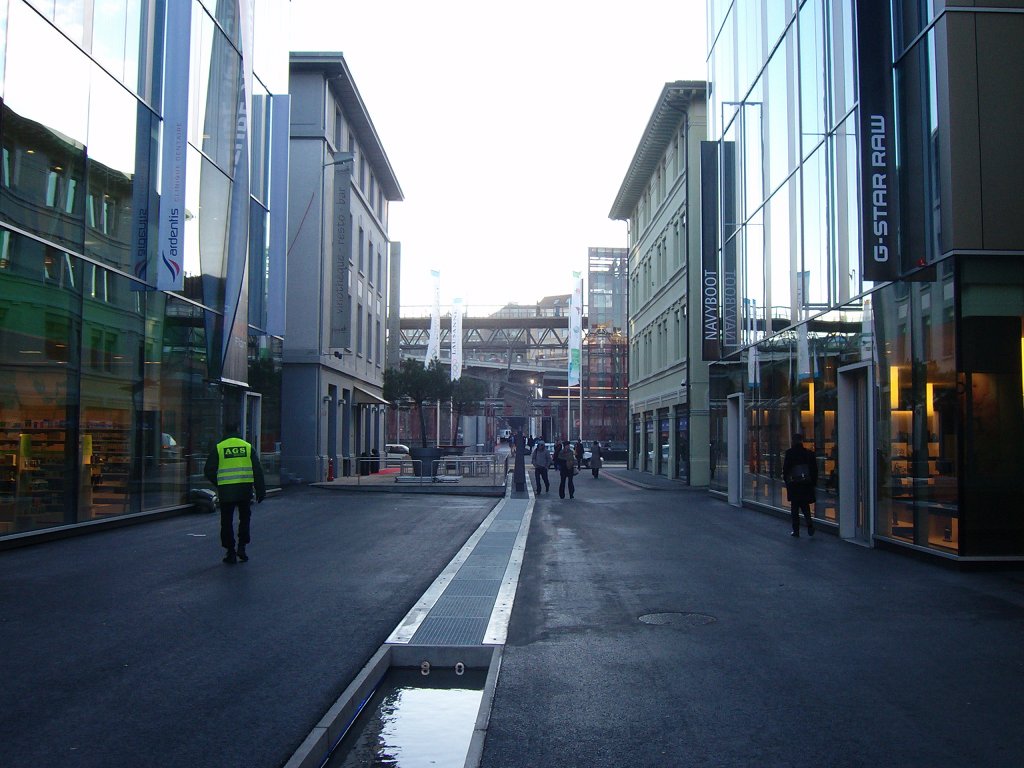
On November 26th, a new shopping area has opened in the Flon area in downtown Lausanne. The new complex includes a supermarket (Migros) and some smaller shops, and is located close to Lausanne-Flon subway station (lines M1, M2 and LEB), making it a perfect example of Transit-Oriented-Development. With the opening of the new complex, Flon…
-
Luxury trains come back to Italy
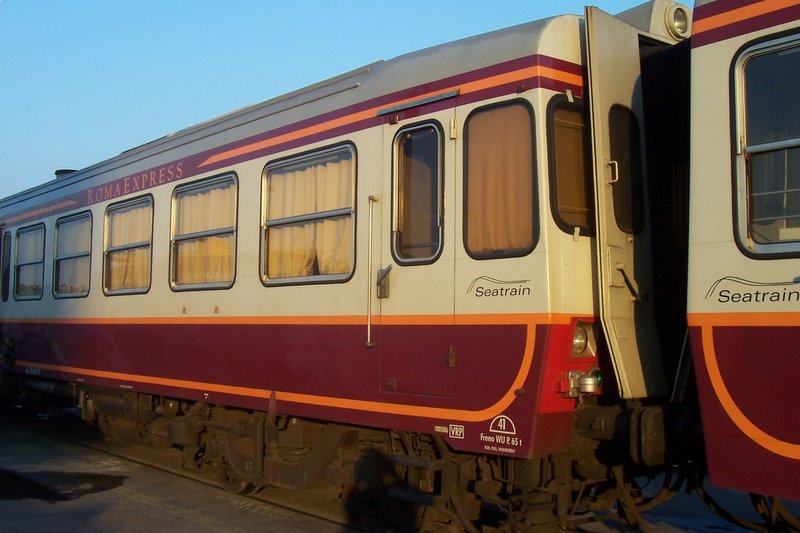
Luxury trains have come back to Italy. in 2005, SeaTrain has renewed some trains from italian companies FCU and Vesuviana and turned them into Roma Express and Napoli Express. Rome Express runs from Civitavecchia Harbour to Rome S. Pietro Railway station, leaving passengers in the very heart of Rome, and avoiding them an unnecessary and…
-
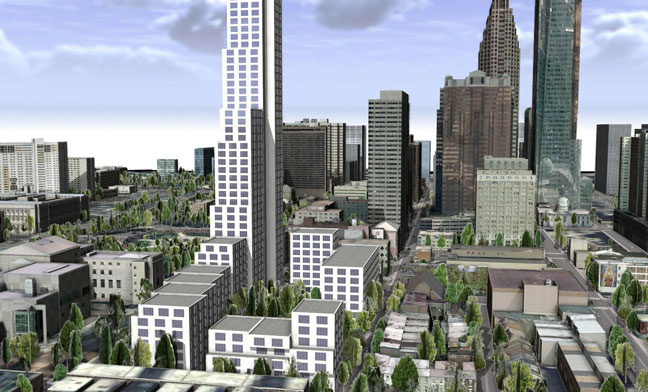
Procedural: City Engine
When the studies from Gianfranco Caniggia meet a powerful rendering engine, this is the result: City engine can be downloaded from here
-
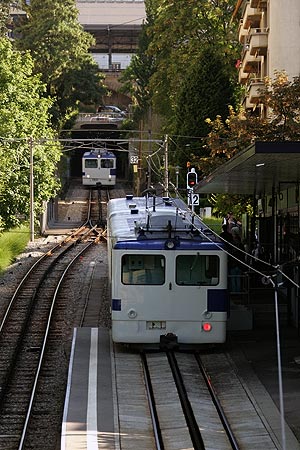
Lausanne Metro, Line 2, how it used to be.
For all who wonder how the ancient Lausanne Metro line 2 looked like, here it is: [youtube=http://it.youtube.com/watch?v=h1ST9WLgsoQ
-
Lausanne metro line 2: finally open!
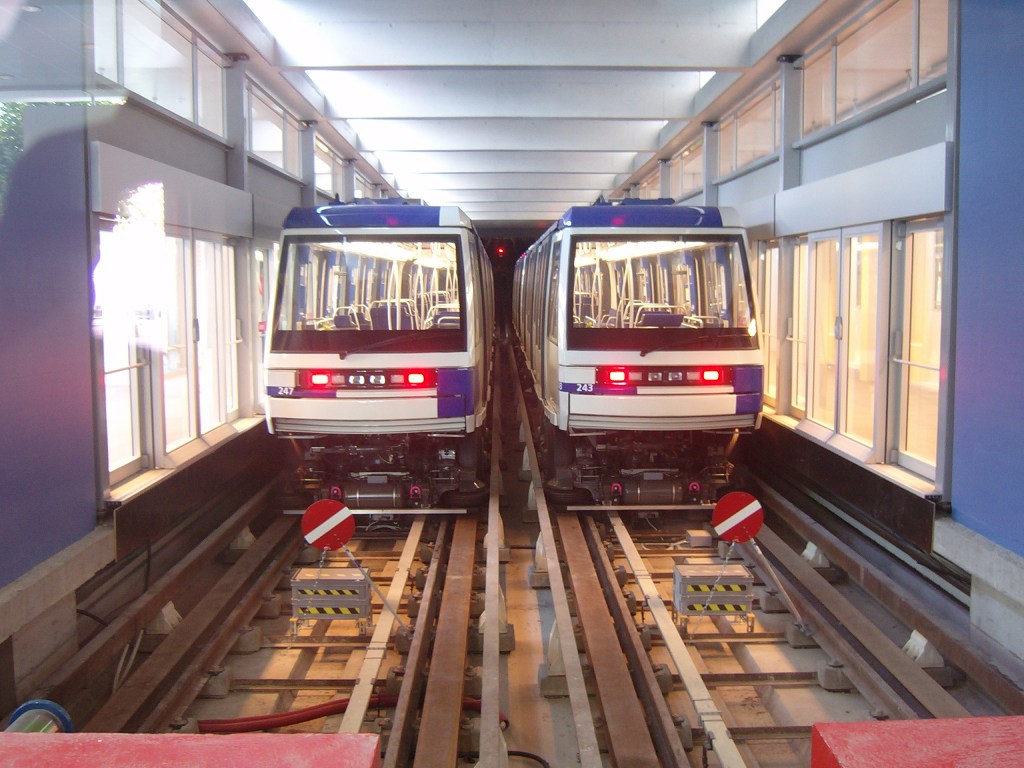
This morning, Lausanne Metro line 2 has finally open to the public. In order to celebrate the event, here are some photos of the line: Lausanne-Flon: signs pointing to the platforms Lausanne-Flon: All the lines stopping in Lausanne-Flon are marked with the same fonts, even though they belong to different companies. Lausanne-Flon. Lausanne Metro’s colors scheme: Blue…
-

Lausanne Metro line 2: commercial service will start next monday
It’s official: Lausanne Metro line 2 will open next Monday, October 27, 2008. Line Métrobus will be discontinued, all the other lines will remain unchanged until December 14. All the info here and here. (source: 24Heures)
-
The 21st Century Medieval City
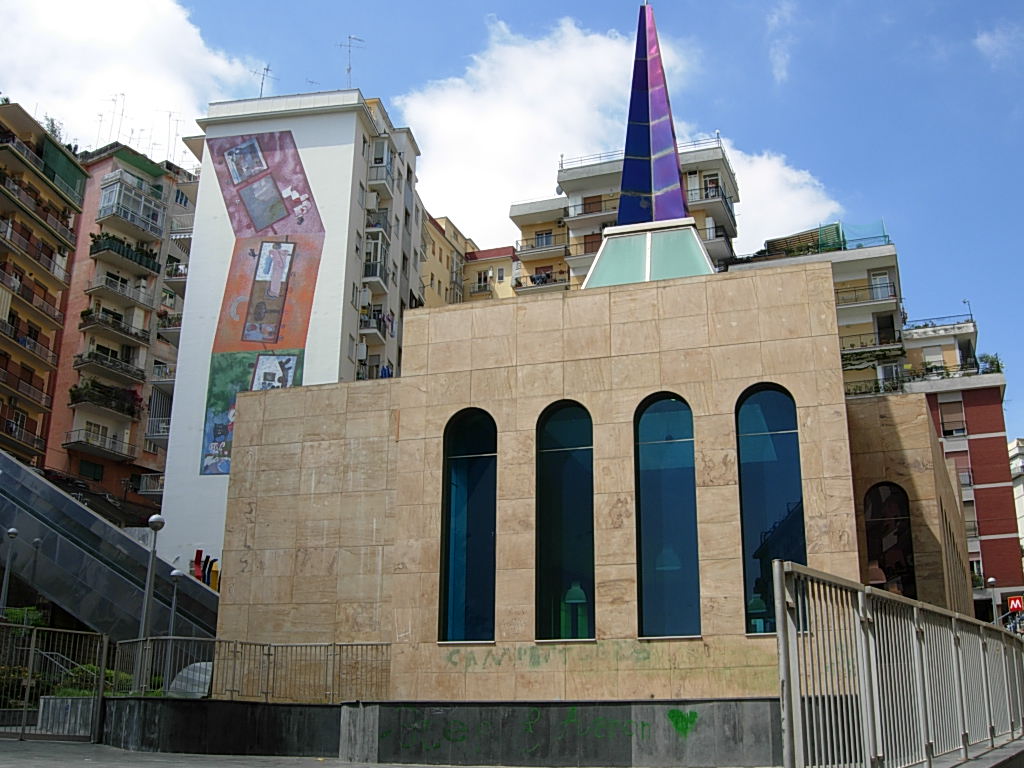
When we think of medieval cities, we assume it was something like this: while, at that time, it was more likely to be something like this: This is the thesis of Robert Neuwirth, who studied from (and lived in) what he calls « the 21st Century Medieval City ». The video here below shows the results of…
-

Shared Space
Two kind of space exist: Roads, regulated by signs, and streets, regulated by social rules. But lots of streets are designed as roads (the so-called « stroads« ). Here is a different approach: Shared space. source: shared space
-

Unofficial map of Lausanne and Vaud nightbus: Somnambule
In Vaud, public transport is provided by several companies. Each one has its own website, its own design, its own line numbering criteria. During the day, a centralized bus and train schedule and fare system allow users to organize their trips without many inconvenients, but during the night (between midnight and 4AM), things become more difficult: some…
-

Paris RER E vs. Rome Metro B: same spaces, different comfort
According to different surveys, Rome Metro is considered one of the most uninviting networks in Europe: dark, dirty, difficult to navigate… One of the worst stations is Termini: after 50 years of countless renewals and extensions, we have now a patchwork of different architecture and signage, in which people get confused and feel uncomfortable. In an attempt to change…
-
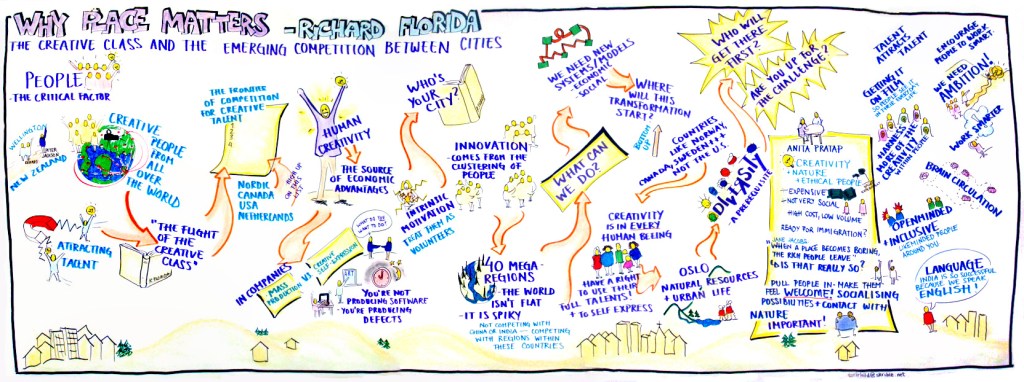
Why place matters (Richard Florida)
-

Transit Art: Transformers
Mobility week is almost over: for ten days, walking, cycling and public transport have been the main topic of a long list of events in Lausanne. One of the event of this week was the shooting of Transformers 02, by NOTsoNOISY and Retrobus:
-

Crowdsourcing the eco-district of Lausanne Blécherette: consumption
On september 10, another crowdsourcing session has taken place in Lausanne. This time, the theme was « consuming »: shops, energy, water, wastes. Here is a list of the wishes that came out during the session: – Small independent shops rather than big chain suburban supermarkets (Most of people had few hopes that this would have been…
-

Nightlife in Nyon
One of the things that make the difference between a suburb and a downtown is the presence of great third places: bars, cafés, pubs, discos, places to hang out and meet new people, establish new connections and put some serendipity in your life. Living in Geneva or Lausanne gives you access to lots of third…
-
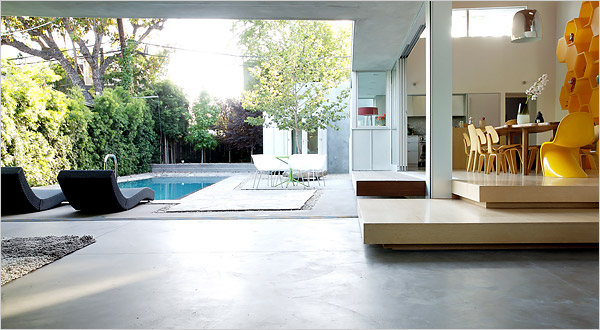
Clubhouse living – Architecture of Togetherness
In the last days I was wondering how houses and cities would look in a « social network society ». Today I found an answer in this post from Creative Class and this article from New york Times. They talk about a house built by Clive Wilkinson, the architect of Google headquarters. While in the « Magic Highway »…
-

from « Adapt the city to cars » to « Adapt the city to social networks »
In 1971, Georges Pompidou said: « Adapter la ville à la voiture » (adapt the city to cars), in a world where people wanted to go faster and further, and reach in a reasonable amount of time more and more places. A new world was born, made of countryside houses, motorways, shopping centers, big buildings: a world…
-

Flexible housing
Your kids are getting older and want a home of their own? You are starting a new business and need some space to work and receive clients, but cannot afford to rent a proper office? You like flatsharing but still want your privacy? Flexible housing can be the solution! Here are some examples (from Cool Town…
-
Crowdsourcing the eco-district of Lausanne Blécherette: growing up
(source video: OLA Métamorphose) The city of Lausanne is promoting a serie of crowdsourcing sessions for the new eco-district of Pontaise-Blecherette. Last Tuesday I was in the first of them, called « Growing Up », and heard lots of interesting ideas. First of all, people wanted a small-scale district: small roads that will help random meetings, small…
-
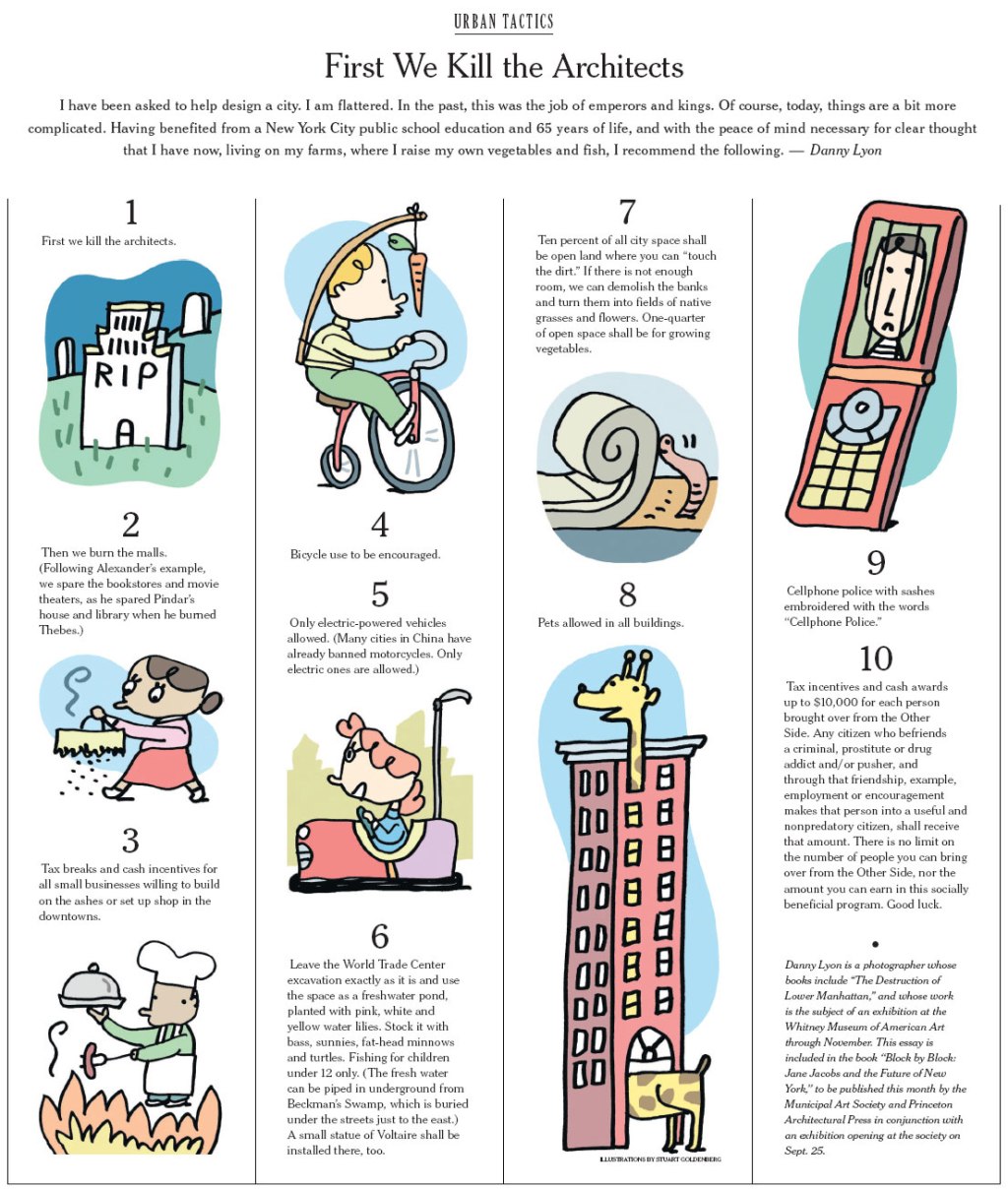
First we kill the architects
-

Lake Geneva region goes metropolitan
Lake Geneva region is turning little by little into a big metropolis, spreading for about 100 km from Geneva to Montreux. Having all the qualities creatives look for, the region is attracting more and more people and enterprises, and is becoming a key place for high-level jobs. And little by little, the different areas…
-

David Byrne’s bike racks
(source: creative class)
-

How to protect a building against the noise: Lausanne Guesthouse
Another good exemple of protection of a building from noisy infrastructures is given by the Lausanne Guesthouse, designed by Patrick Chiché. In this building, all the services (stairways and bathrooms) are located along the railway tracks, while living rooms and hotel rooms are all on the opposite side. A resumé of the project is available…
 La Ville Nouvelle, Atelier d'Architectes