
Étiquette : architecture classique
-

Genève – Le PLQ bien tempéré: le remaniement parcellaire
Depuis quelques semaines, je m’intéresse à la question de la densification. À Genève, densification semble être devenu un vilain mot. Dans des autres villes, les propriétaires font tout ce qui est en leur pouvoir pour pouvoir densifier leur parcelle (y compris s’introduire de nuit dans les locaux du service de l’Urbanisme pour corriger à la main…
-
Densifier la zone villas avec les instruments ordinaires
Le thème de la densification de la zone villa semble être un thème assez controversé: depuis que j’ai commencé à poster mes pistes de réflexion, les visites à ce site ont augmenté et les commentaires se multiplient. Je vais donc réfléchir encore un peu sur ce thème. La plupart des commentaires expriment une méfiance pour le développement…
-

Densification et diversification de la zone villa: Pully
En général, je n’aime pas trop le type de densification qu’a été fait à Pully: une vaste zone d’immeubles, sans connexion avec les transports publics et sans commerces, dans laquelle l’utilisation de la voiture est nécessaire pour toutes les nécessités quotidiennes. Pully: densification sans services de proximité. (source image) Même dans ce contexte, il y…
-
densification et diversification de la zone villa: Monte Sacro à Rome
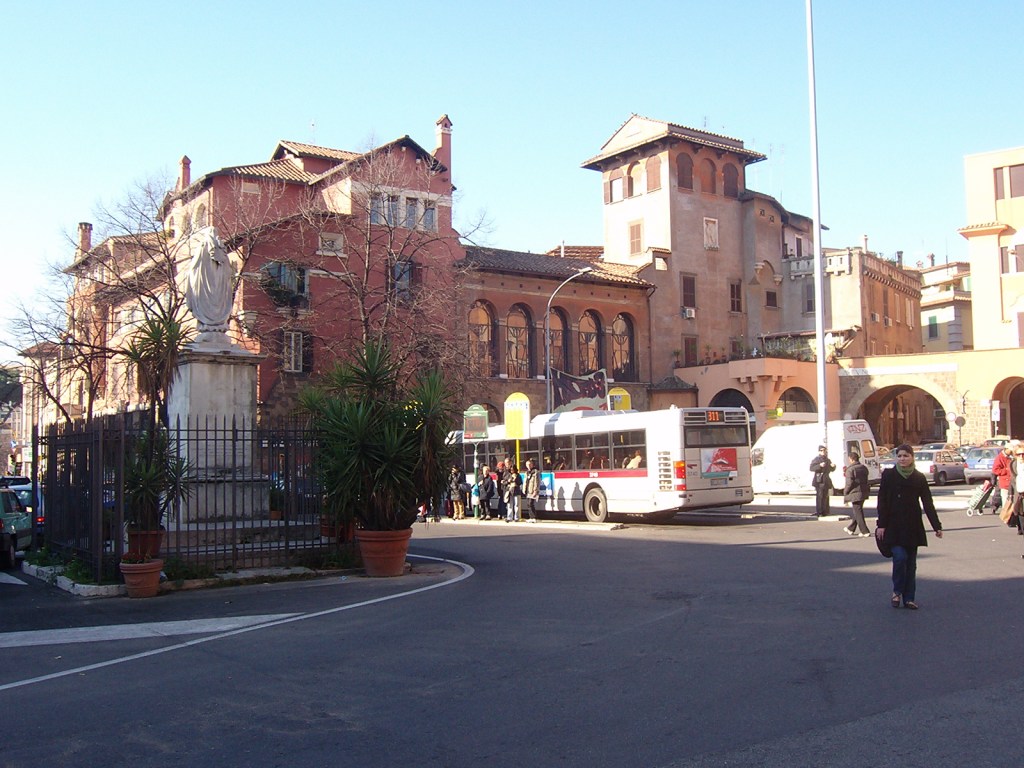
Un exemple assez emblématique de densification de la zone villa est le quartier de Monte Sacro à Rome. Le quartier de Monte Sacro nait dans les années 30 comme « cité jardin » à proximité de la ville de Rome. Avec le temps, la ville s’est étendue tout autour, et Monte Sacro est devenu un quartier relativement central.…
-

Densification et diversification de la zone villa
Ces derniers temps, j’entends souvent parler de la nécessité de densifier la zone villa. D’un côté, la zone villa est présentée (surtout par des gens qui n’y habitent pas) comme une zone à problèmes, qui manque des services de base et qui oblige ses habitants à des longs trajets en voiture, problèmes pour lesquels la densification…
-

Guédelon: construire un château comme au 13ème siècle.
L’architecture traditionnelle m’a toujours fasciné. Les gros murs en pierre, les charpentes élaborées et les plans irréguliers des immeubles anciens ont toujours eu des histoires à raconter. Des histoires de familles qui s’élargissaient, d’alliances que se tissaient ou se rompaient, d’un propriétaire qui aurait voulu vivre dans une autre époque et qui transformait sa maison…
-

Refurbishing modernist masterpieces: two examples from Rome
The city within a building – Mario Fiorentino In the last 50 years, we built a massive amount of buildings, experimenting techniques and philosophies as never before. Reinforced concrete, cheap energy and cars allowed us a freedom to build we’ve never experienced before. Now, most of these ideas and techniques look outdated, and the building themselves are…
-

The rise and fall of the « Unité d’Habitation » – 7/7
50 years after the first Unité, this model seems already belonging to the past. The strong separation between the building and its surroundings, the sensation of living in an all-artificial environment, and an almost complete identification of the Unité d’Habitation with social housing have made this model quite undesirable. The destiny of the millions of…
-

The rise and fall of the « Unité d’Habitation » – 6/7
Promoted as a standard, easy-to-build product, The Unité d’Habitation concept spread all over the world after WWII. The first 5 units (Marseille, Firminy, Rezé, Briey and Berlin) built by Le Corbusier himself became the standard for almost all public housing project between 1950 and 1990. The more the model was spread along the world, the…
-

The rise and fall of the « Unité d’Habitation » – 5/7
Promoted as a standard, easy-to-build product, The Unité d’Habitation concept spread all over the world after WWII. The first 5 units (Marseille, Firminy, Rezé, Briey and Berlin) built by Le Corbusier himself became the standard for almost all public housing project between 1950 and 1990. The more the model was spread along the world, the…
-

The rise and fall of the « Unité d’Habitation » – 4/7
Promoted as a standard, easy-to-build product, The Unité d’Habitation concept spread all over the world after WWII. The first 5 units (Marseille, Firminy, Rezé, Briey and Berlin) built by Le Corbusier himself became the standard for almost all public housing project between 1950 and 1990. Rome, Corviale, 1972-1982 (image: flickr). Strict translation of the Unité…
-
The rise and fall of the « Unité d’Habitation » – 3/7
In the beginning of the XX century, steamships were crossing the Atlantic Ocean. Each one of them could carry 2000 passengers for a 15-days trip between Europe and America, and in these days it became for them a sort of new house. The image of all these people living, loving, fighting, making business, all in…
-

The rise and fall of the « Unité d’Habitation » – 2/7
In the beginning of the XX century, steamships were crossing the Atlantic Ocean. Each one of them could carry 2000 passengers for a 15-days trip between Europe and America, and in these days it became for them a sort of new house. The image of all these people living, loving, fighting, making business, all in…
-

The rise and fall of the « Unité d’Habitation » – 1/7
SS Empress of britain, pre-1924 (image: wikimedia commons). In the beginning of the XX century, steamships were crossing the Atlantic Ocean. Each one of them could carry 2000 passengers for a 15-days trip between Europe and America, and in these days it became for them a second home. MS Kungsholm, entrance to 1st class room,…
-

Architecture et complexité
Un des facteurs qui contribuent à la création d’un espace urbain vivant et intéressant est la complexité. Face à des gros projets, les architectes essaient parfois de recréer une complexité dans leur bâtiments: cette approche nécessite un gros travail de conception et donne souvent des résultats pas tout à fait satisfaisants . Moshe Safdie, Habitat…
-
Architecture and complexity
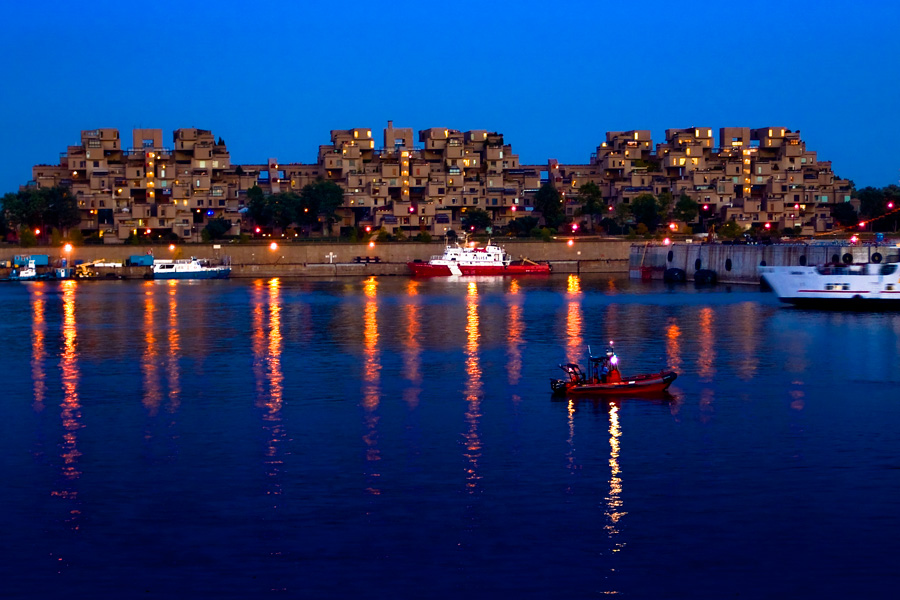
One of the features of a great built environment is complexity. When facing big-scale projects, most of the architects have tried to recreate a complexity in their buildings, with a huge effort and not very satisfying results. Moshe Safdie, Habitat 67 (image: wikipedia) Frank Gehry, MIT Stata Center (image: wikipedia) Another option allows a better result…
-

La Sagrada Famìlia à Barcelone: la dernière grande Cathédrale
La période du 13ème au 19ème siècle, dans plusieurs villes d’Europe, fuit marquée par la construction des grandes Cathédrales. Des chantiers s’ouvrirent, pour s’achever seulement après plusieurs décennies, voire des siècles. Un des derniers chantiers, et le seul encore ouvert, est celui de la Sagrada Famìlia de Barcelone. Commencé en 1882, la Sagrada Famìlia devrait…
-
The 21st Century Medieval City
When we think of medieval cities, we assume it was something like this: while, at that time, it was more likely to be something like this: This is the thesis of Robert Neuwirth, who studied from (and lived in) what he calls « the 21st Century Medieval City ». The video here below shows the results of…
-
Brasilia: the evolution of a modernist masterpiece
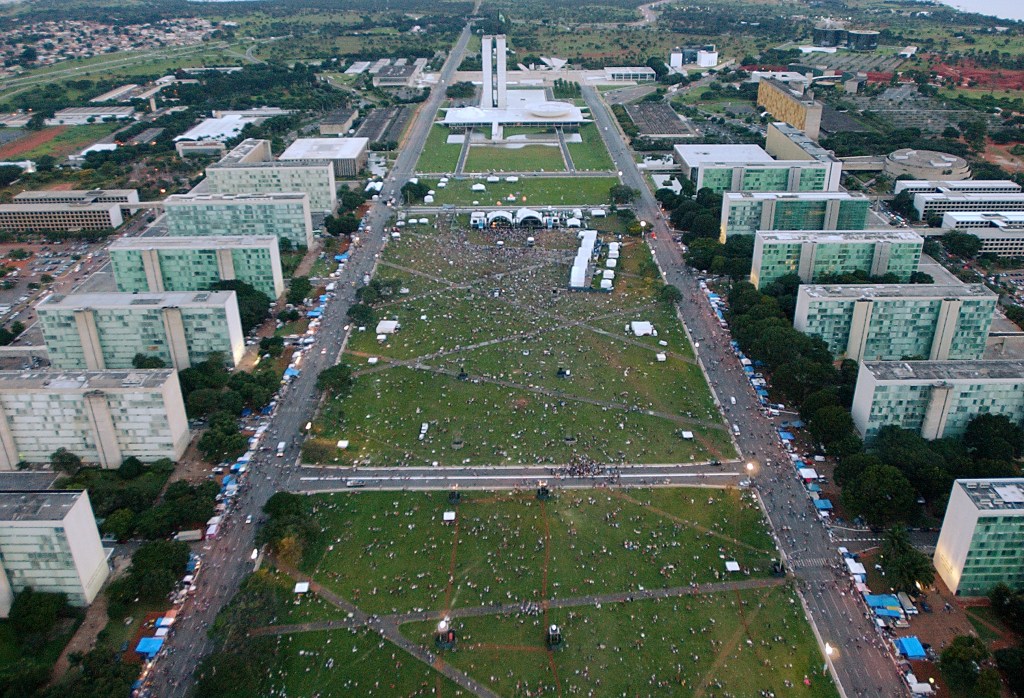
In 1956, when Brasilia was conceived, cars were the transportation system of the future. « Adapter la Ville à la Voiture » (adapt the city to cars) was the mainstream credo in the 50’s: as Brasilia was the symbol of Brazil as a modern and avanced country, the city was planned around cars. The town was built along two motorways,…
-
Smart Growth goes to Spain
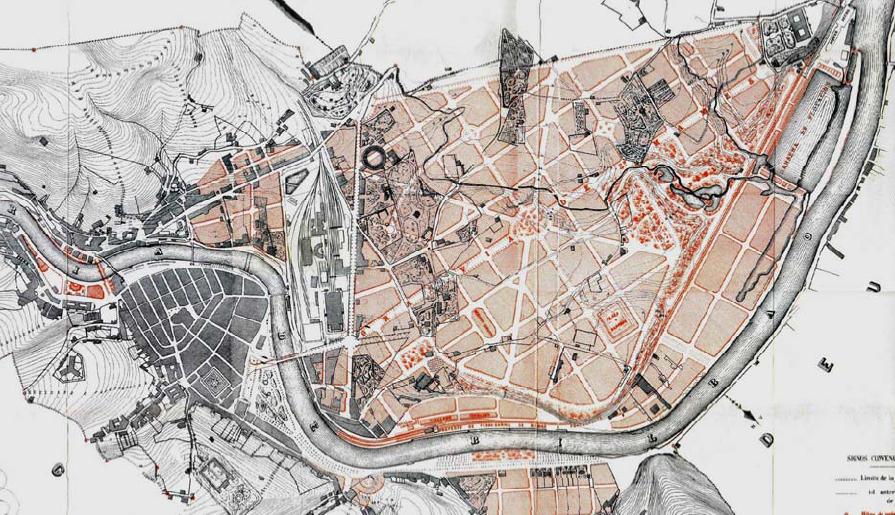
On 19th century, Spain was one of the leaders in urban development. In almost all towns, a grid-shaped extension (Ensanche) was planned, and in almost all towns, the Ensanche is one of the most vibrant districts. 150 jears later, Spain still follows the same model. Since 1992, almost all towns in Spain started…
 La Ville Nouvelle, Atelier d'Architectes