
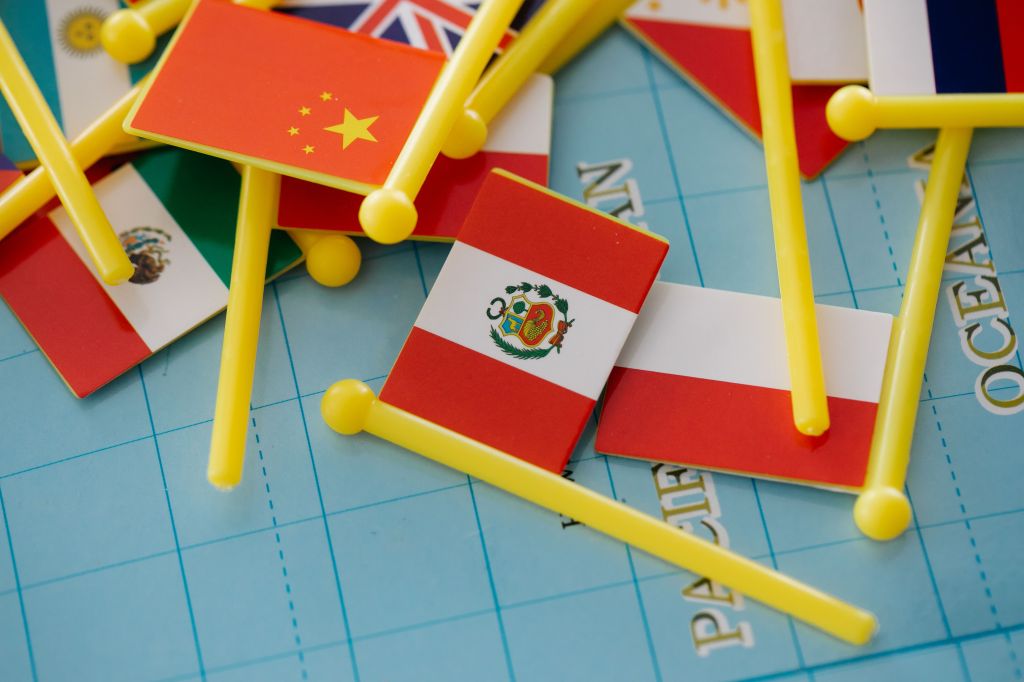
Over the past few years, I have become increasingly interested in international real estate.
The idea did not start with a search for the highest possible return. It started with a much simpler question:
Why should all of my income, property and investments depend on the same country?
Most of us naturally invest close to home. Americans buy in the United States. Swiss residents tend to buy in Switzerland. French and Italian investors generally begin by looking at their own domestic markets.
There is nothing wrong with that. Local knowledge is valuable.
But concentrating everything in one country also creates a form of risk that investors sometimes overlook.
Tax policies change. Regulations change. Currencies move. Cities grow or decline. Housing shortages can become oversupply. A market that looked attractive ten years ago may offer a very different risk-reward profile today.
That is why I have gradually started thinking about real estate in the same way we think about a diversified investment portfolio:
not one country, not one city, and ideally not one economic cycle.
The goal is not to find a magical country and move all your money there. It is almost the opposite.
My preferred approach is to build several relatively small sources of rental income across different markets.
One property here. Another somewhere else. Different tenants, currencies, economies and regulatory environments.
If one market underperforms, the entire portfolio does not necessarily suffer with it.
After looking at a growing number of countries, these are some of the markets I currently find worth watching — and a few where I would be much more selective.

Switzerland: stability first
Switzerland remains one of the markets I associate most strongly with stability.
Its political and economic environment, strong currency and established property market make Swiss real estate particularly attractive as a defensive component of a broader portfolio.
The main problem is price.
Geneva, Zurich and Lausanne are exceptionally expensive markets, and investment properties with attractive yields can be difficult to find.
For that reason, I am more interested in secondary Swiss markets: parts of the cantons of Vaud and Valais, the Chablais region, and some smaller cities and towns where acquisition prices remain more accessible.
For international investors — particularly non-residents — Switzerland is also not the easiest market to enter, as foreign ownership of residential real estate can be subject to restrictions.
I therefore see Switzerland less as a high-growth investment and more as a potential stability anchor in an international portfolio.

France: selective rather than enthusiastic
France is a market where I would currently be very selective.
There are certainly good investments to be found. France is a large country with enormous differences between cities, neighborhoods and regions.
My concern is the overall combination of taxation, landlord regulation, energy-performance requirements and recurring regulatory changes.
For an investor who can choose freely between several countries, there are situations where I believe the same capital can be deployed more efficiently elsewhere.
There is, however, one French region that I find particularly interesting: the areas of Haute-Savoie and Ain connected economically to Geneva.
Many people living on the French side of the border work in Switzerland. As a result, local housing demand is influenced not only by the French economy but also by the Geneva labor market and Swiss salaries.
Communities served by the Léman Express regional rail system are especially interesting.
I am also watching towns farther from Geneva, particularly Seyssel and Culoz, which already have rail connections toward Geneva and could benefit over the longer term from improved integration with the cross-border transportation network.
The corridor between Bellegarde-sur-Valserine and Bourg-en-Bresse is another area worth monitoring, but with a longer investment horizon. Rail integration with Geneva is currently much weaker, meaning that much of the potential would depend on future infrastructure improvements.
This is the type of situation I particularly like to study: areas that are not yet prime markets but could become more valuable if transportation and economic connections improve.

Italy: opportunities require a specific strategy
Italy is not a market where I would simply buy “Italian real estate.”
I would invest only where there is a clear local thesis.
Three cities in particular interest me for very different reasons: Rome, Turin and Catania.

Rome: sell the experience, not only the apartment
Rome attracts millions of visitors, but I would not necessarily compete for an expensive apartment next to the Colosseum or Trevi Fountain.
I find another model more interesting.
Buy in a genuine Roman neighborhood with good subway access and create a property that offers visitors something different:
live like a Roman rather than stay in a tourist district.
Guests can shop where residents shop, eat in neighborhood restaurants and experience everyday Roman life while remaining a short subway ride from the historic center.
For the right property, the neighborhood itself becomes part of the product.
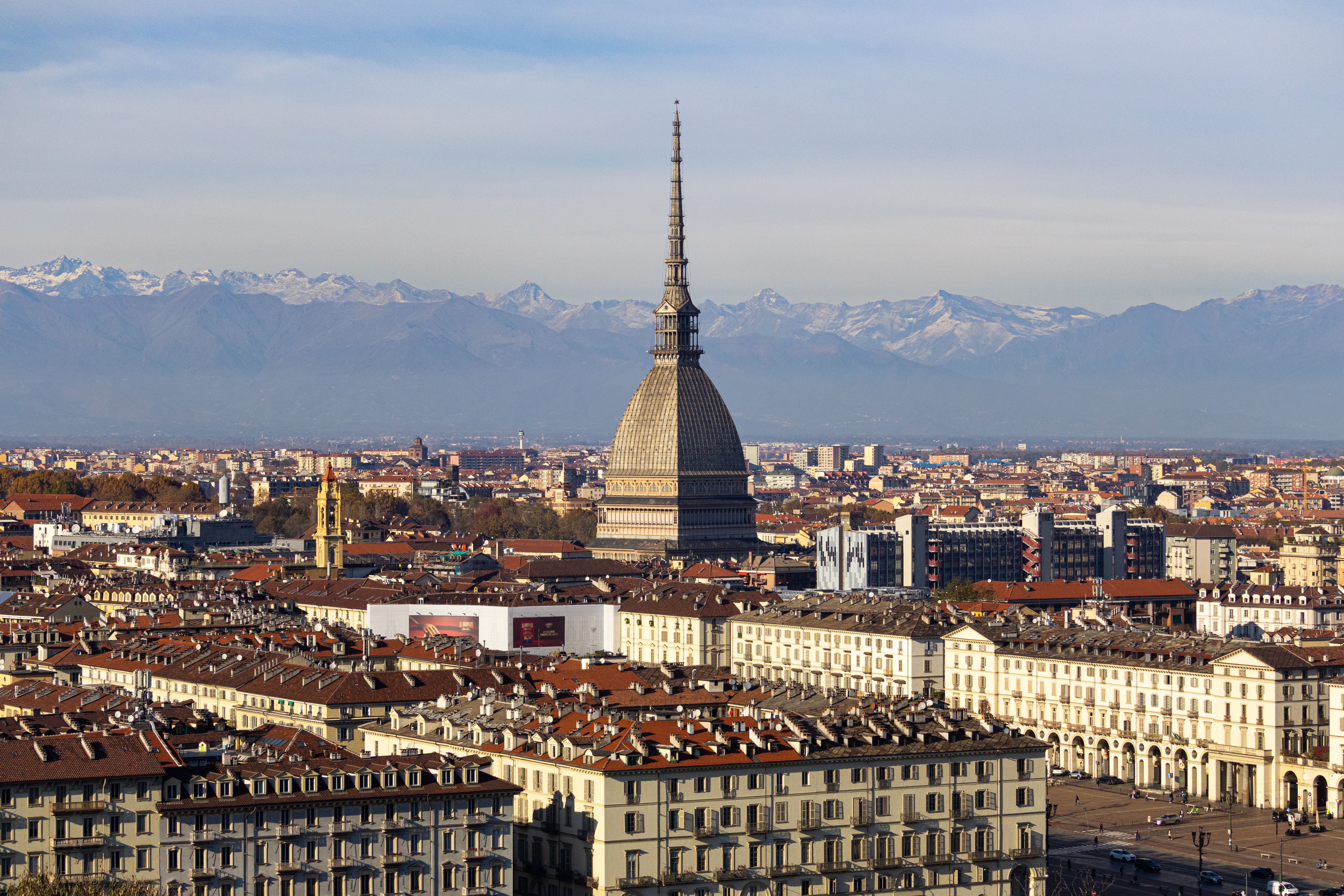
Turin: access Milan without paying Milan prices
Turin presents almost the opposite opportunity.
Its industrial history and economic restructuring have helped keep housing considerably more accessible than in Milan.
Yet Milan is close enough to remain relevant.
That creates an interesting niche for remote workers, consultants, entrepreneurs and professionals who do not need to live in Milan every day but want regular access to its business ecosystem.
A property designed specifically for this market could include a real home office, excellent internet, flexible medium-term leasing and easy access to a major train station.
Rather than competing with Milan, Turin can benefit from Milan.
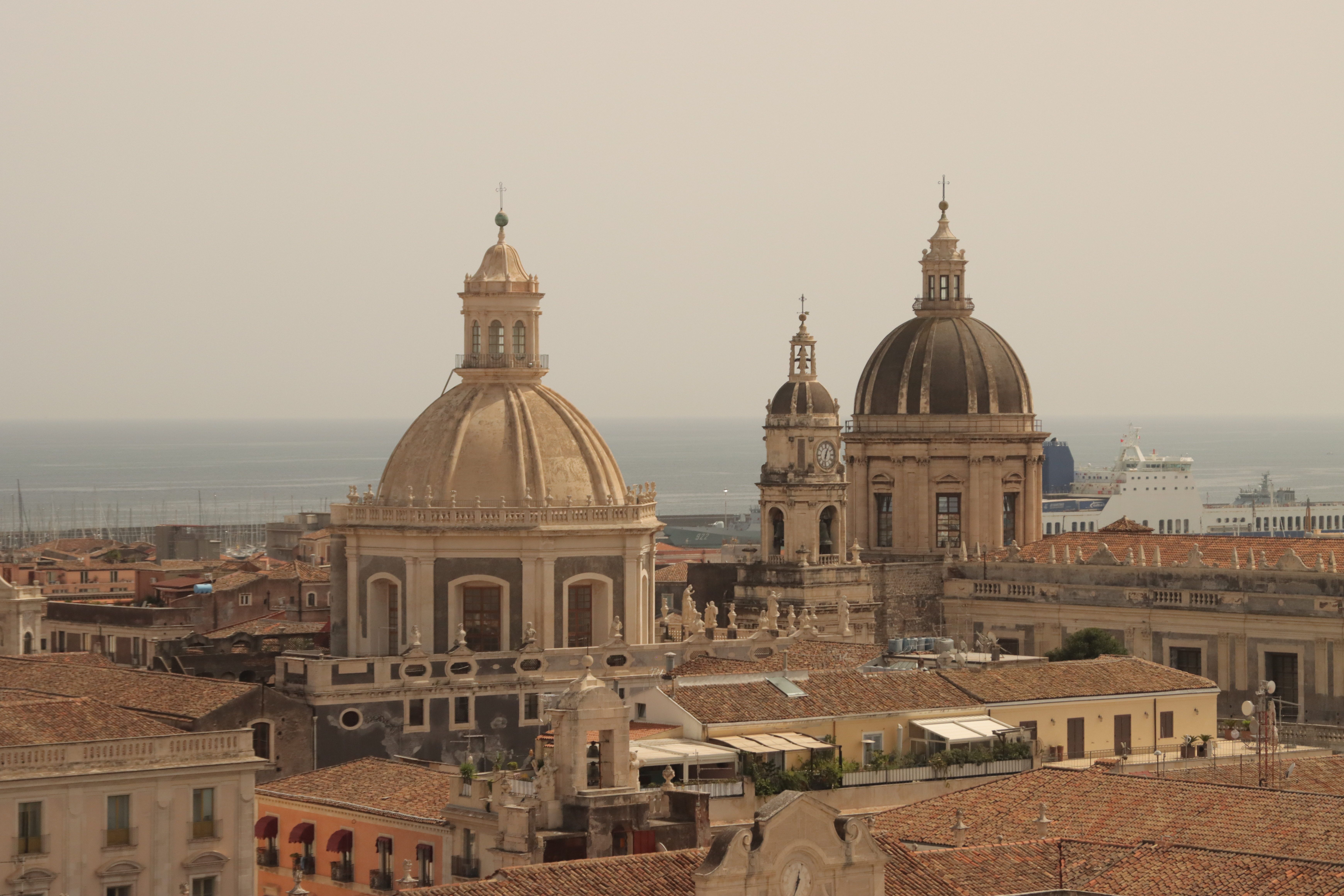
Catania: affordability, lifestyle and entrepreneurship
Catania interests me for another reason entirely.
It combines Mediterranean lifestyle, relatively affordable real estate and an environment where small projects can still be developed with comparatively limited capital.
For someone interested in combining property ownership, entrepreneurship and quality of life, Sicily can offer possibilities that have largely disappeared from more expensive European cities.
It is certainly not a low-risk market, but affordability creates room for experimentation.
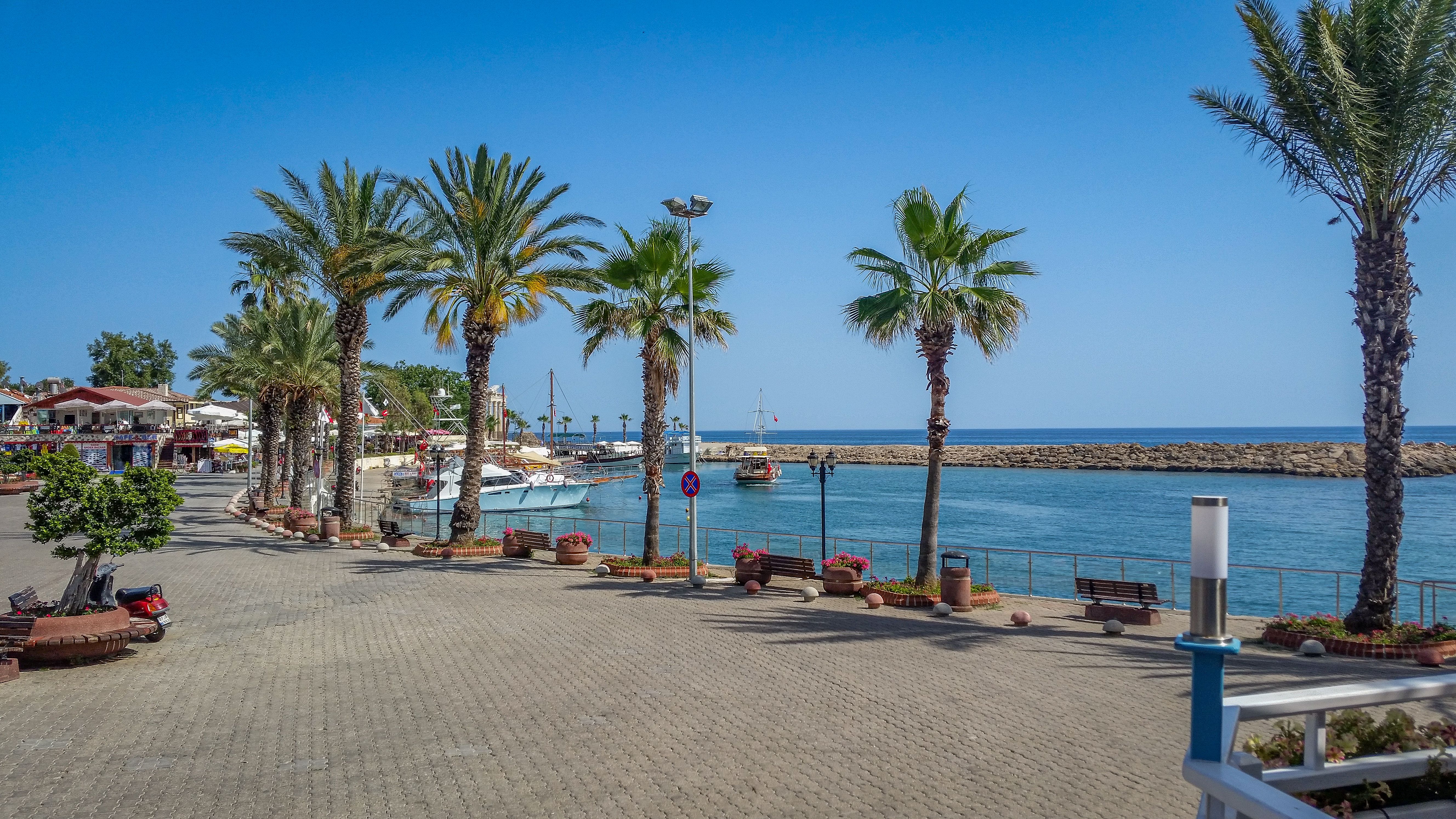
Cyprus: a small but international European market
Cyprus occupies an unusual position.
It is part of the European Union and uses the euro, yet its real estate market is strongly influenced by international residents, entrepreneurs, foreign companies, retirees and remote professionals.
The two cities I watch most closely are Limassol and Paphos.
Limassol is the more international and business-oriented market. It attracts foreign companies and professionals and has significant demand for modern housing.
The downside is straightforward: prices have already risen substantially.
I would therefore approach Limassol selectively rather than assume that every new development represents a good investment.
Paphos offers a different profile.
It is smaller, more lifestyle-oriented and strongly connected to tourism, international residents and retirement migration. Entry prices can also be more approachable depending on location and property type.
I do not necessarily see Cyprus as the place where an investor should chase the highest yield.
Its value in a diversified portfolio may instead come from the combination of European legal structures, the euro, international demand and Mediterranean lifestyle.
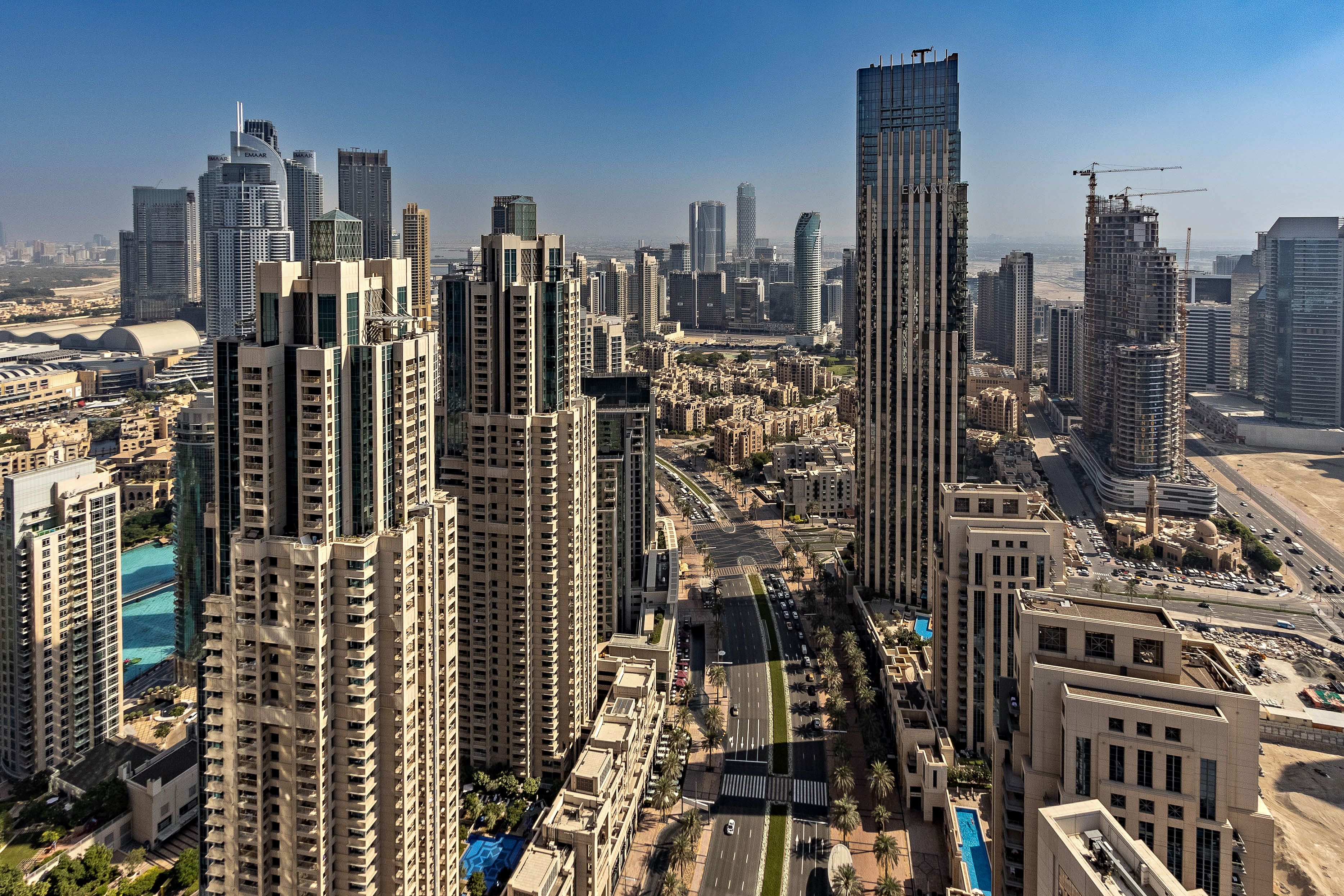
Dubai and the UAE: no longer an automatic choice
A few years ago, Dubai would probably have ranked much higher on my list.
Today I am more cautious.
That does not mean Dubai has stopped being attractive. It remains one of the world’s most international property markets and continues to attract enormous amounts of capital.
My concern is different.
When almost every international property salesperson is promoting the same market, I start asking whether investors are buying primarily because of underlying housing demand — or because the sales machine has become exceptionally effective.
In highly marketed markets, it becomes especially important to distinguish between a property that makes economic sense and one that is simply easy to sell to foreign investors.
Dubai can still produce excellent opportunities.
But for an investor with limited capital seeking diversification, it would not automatically be my first destination today.

Kenya and Uganda: two emerging markets worth studying
East Africa has been one of the most interesting parts of my recent research.
Kenya and Uganda are obviously very different from Switzerland, France or the United States.
That is precisely why they can play a different role in a diversified portfolio.
Nairobi and Kampala are expanding metropolitan areas. New residential developments are appearing, infrastructure is improving and growing urban professional populations create demand for modern housing.
More importantly for smaller investors, entry prices in selected developments can be dramatically lower than those found in major Western cities.
In some cases, an investor with a budget in the tens of thousands of dollars can already begin evaluating newly built apartments.
That opens up a very different strategy.
Instead of using $100,000 as the down payment on one expensive property, it may be possible to divide that capital among several smaller investments.
Of course, lower prices and potentially higher yields come with additional risks.
These can include:
- currency fluctuations;
- developer quality;
- title and legal due diligence;
- political and regulatory change;
- property management;
- vacancy;
- market liquidity;
- resale conditions.
This is why I would never advocate placing an entire portfolio in a single emerging market.
The opportunity only makes sense to me as part of diversification, not as a replacement for diversification.

Why I prefer several smaller investments
This is probably the most important principle behind my strategy.
Imagine an investor has approximately $100,000 available for international real estate.
The conventional approach might be to find one $100,000 property.
I would rather explore whether the same capital could create several independent income-producing assets.
For example:
- one property in Kenya (30’000 – 50’000 $)
- one property in Uganda (20’000 – 50’000 $)
- several small rental assets, garages or parking spaces in a mature European market. (20’000 $ each)
The exact allocation will depend on the investor.
The principle is what matters.
One part of the portfolio can target stability.
Another can target rental yield.
Another can target long-term economic and demographic growth.
This does not eliminate risk.
It distributes it.
If one apartment experiences vacancy, the other assets may still generate rent.
If one currency weakens, the entire portfolio is not necessarily denominated in that currency.
If one country changes its property regulations, the investor still owns assets elsewhere.
And if one city simply turns out to be a disappointing investment, the mistake does not determine the performance of the entire portfolio.

Geographic diversification is not the same as true diversification
There is an important distinction here.
Owning real estate in four countries is more geographically diversified than owning four properties in the same city.
But it is still real estate.
International property should therefore normally be considered as one component of a broader financial strategy rather than a substitute for stocks, bonds, cash, businesses, retirement savings or other investments.
My interest is specifically in reducing country concentration inside the real estate portion of a portfolio.
In other words:
Don’t only ask, “How many properties do I own?”
Also ask:
“How many economies does my wealth depend on?”
The objective: build international income streams
Ultimately, I am not interested in collecting properties simply for the sake of owning more real estate.
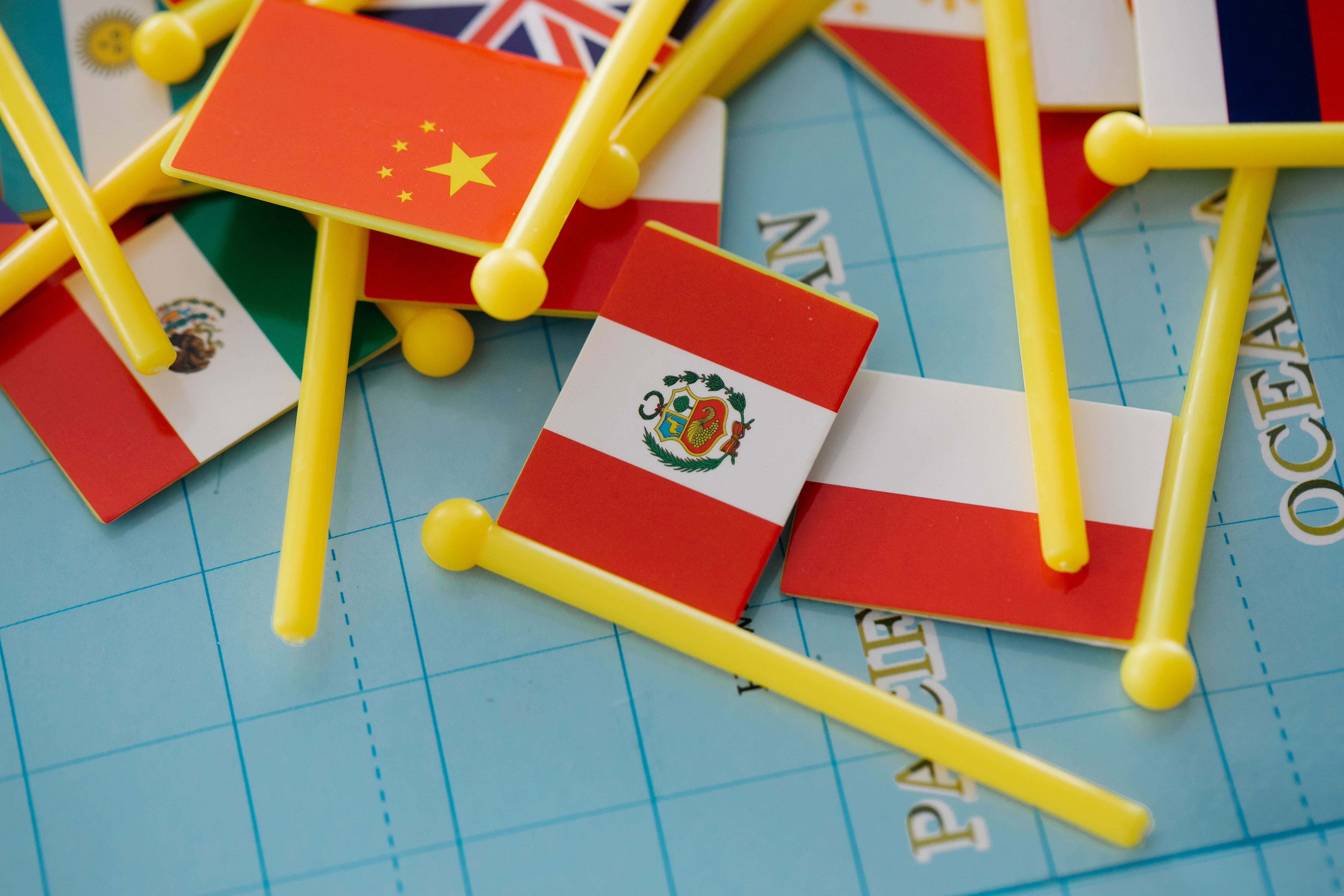
The objective is to build several sources of income that do not all depend on the same city, currency or economy.
A mature European market might provide stability.
A carefully selected Italian property might offer a unique tourism or lifestyle opportunity.
Cyprus can provide euro-denominated exposure to an international economy.
East Africa can offer access to younger, faster-changing urban markets with much lower entry costs.
Other countries will undoubtedly become interesting in the future.
That is why I do not believe there is one “best country” for international real estate investing.
I believe in combinations of markets.
One for stability.
One for income.
One for growth.
And perhaps another that gives an investor exposure to an entirely different part of the world.
A specific consideration for U.S. investors
For American investors, buying property overseas adds another layer of complexity.
The investment may be located abroad, but U.S. taxpayers still need to consider U.S. federal tax and reporting requirements alongside the rules of the country where the property is located.
Local taxes, rental income, banking arrangements, ownership structures, inheritance rules and currency movements can all affect the real return.
For that reason, cross-border real estate should never be evaluated on the advertised purchase price and gross rental yield alone.
Before completing an acquisition, an American investor should normally have the transaction reviewed by qualified legal and tax professionals familiar with both jurisdictions.
Interested in building an international real estate portfolio?
This is the type of strategy we are currently developing.
We research markets, compare projects, meet local professionals and try to understand where genuine real estate demand exists — beyond the marketing materials used to sell properties to foreigners.
We deliberately do not publish every project, partner or location we investigate.
Knowing that it is possible to buy property in Kenya, Italy, Cyprus or Uganda is not particularly difficult.
The real value is determining:
What should you buy?
Where should you buy it?
What is a reasonable price?
Who can you trust locally?
And how does that investment fit into the rest of your portfolio?
Our approach is independent. We aim to represent the interests of the investor rather than simply promote the inventory of a particular developer or local real estate agency.
If you have capital that you would like to deploy gradually across several countries, we can help you explore an international real estate strategy based on your budget, objectives and tolerance for risk.
Want to build your own international real estate investment plan?
Contact us at +41 79 525 71 35.
We can start with your current situation and determine which markets — if any — make sense as part of a diversified international portfolio.
The prices, rental yields and scenarios discussed in this article are illustrative and may change substantially over time. They are not guarantees of performance or individualized investment, tax or legal advice. International real estate involves financial, legal, currency, political and liquidity risks. Investors should obtain appropriate professional advice in the relevant jurisdictions before making an investment decision.


Votre commentaire